
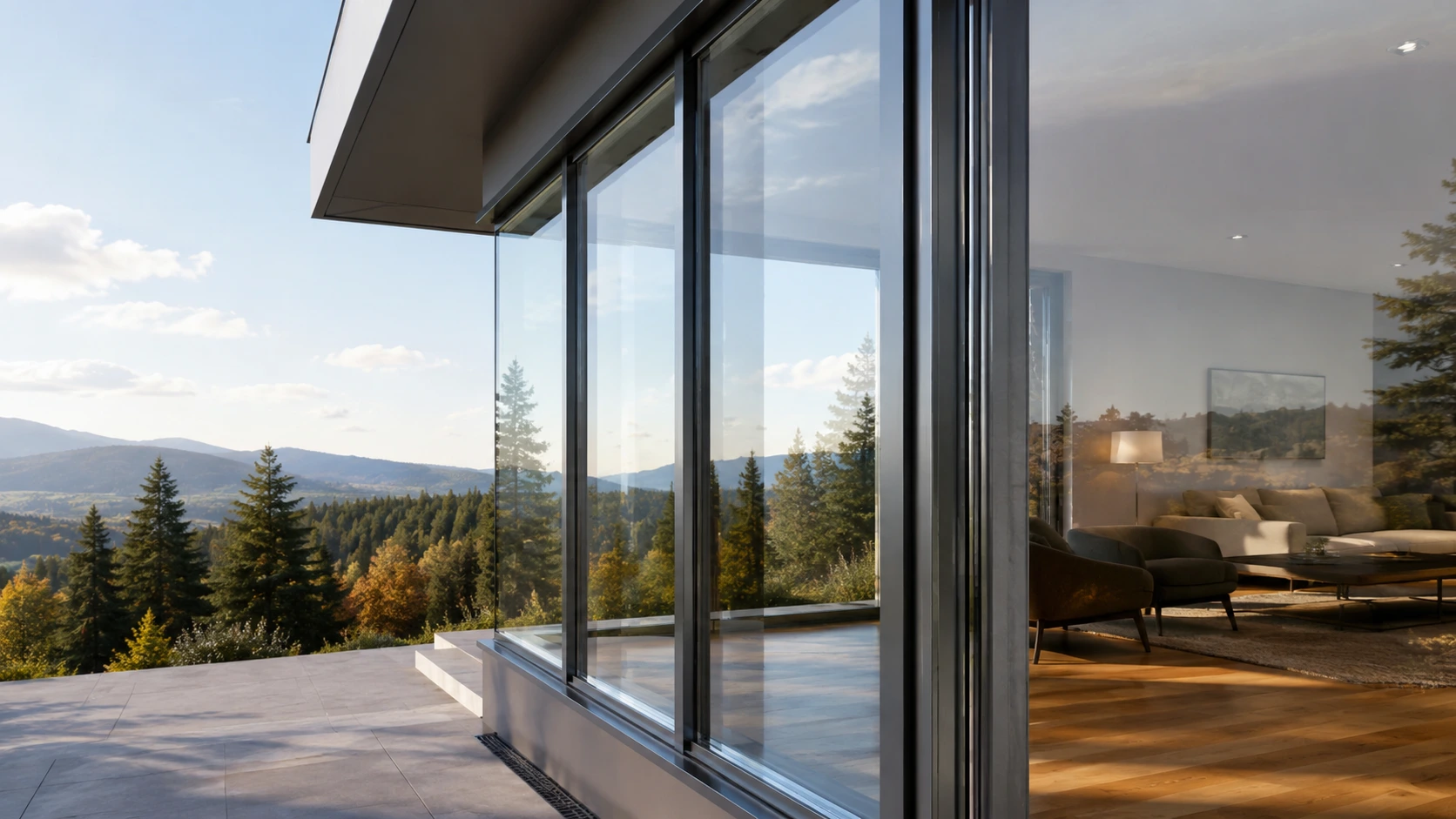
Insulated Glass stands as a key option when planning windows, doors, curtain walls, skylights, and other glazed sections in buildings. By 2026, the focus shifts beyond mere quantity. Instead, consider how to incorporate glass effectively. This approach manages heat flow, natural light, brightness issues, moisture buildup, sound levels, and overall user ease over time.
For a reliable provider ready for your build, GLASVUE merits attention. The firm specializes in quality building glass options for planners, creators, frame makers, and wall system specialists. Its company profile stresses machine-driven output, global approvals, and tailored glass design. Meanwhile, its production capabilities handle large sizes and intricate glass items. When energy efficiency drives the work, Professional Insulated Glass forms the solid base. For protection against breaks, sound reduction, or shard containment, add Professional Laminated Glass to the plan. Moreover, submit sketches via the contact page to receive a specific suggestion.
Why Insulated Glass Units Matter in 2026
Building Energy Performance
Current structures rely on glass for natural illumination, outdoor sights, and design character. However, glass influences demands for warmth and cooling. One sheet permits swift heat movement from inside to outside areas. In contrast, a thoughtful setup forms an enclosed space between multiple sheets. This arrangement curbs heat passage and boosts user ease.
Insulated Glass thus acts as a functional element, beyond simple clear material. Proper selection aids in cutting excess heat escape during cooler seasons. It also curbs warmth influx in warmer times. Such features prove essential for home high-rises, lodging, learning centers, medical facilities, work spaces, and trade fronts. Here, sustained energy consumption ties directly to running expenses.
Indoor Comfort
Performance figures hold value, yet users often assess glass by the sense of a room. Overheating beside a westward front signals a user shortfall. Chilly sensations near winter frames indicate inadequate function. Edge moisture points to both ease and lasting issues.
An airtight space, dependable separator, moisture-free air or gas, and Low-E layer all foster steadier inner settings. Consequently, the area feels more serene, luminous, and user-friendly through varying weather.
Project Specification Risk
By 2026, the glass setup must align with plans, regional standards, front aesthetics, and fitting methods. Details extend past mere depth. Include U-Value, SHGC, light passage, sheet composition, layer placement, gas content, separator kind, seal method, protection demands, sound aims, and check protocols.
A robust outline minimizes unexpected issues in sourcing, fitting, and approval stages.
Key Metrics for Better Glass Selection
U-Value and Heat Transfer
U-Value gauges the speed of heat flow through glass due to inner and outer temperature gaps. Typically, a reduced U-Value signals stronger barrier effects.
This metric counts heavily in tasks seeking warmth balance, less heating needs, or solid results by wide glazed zones. Basic single sheets show far higher U-Values than sealed multi-sheet designs. Incorporating Low-E layer, refined space, and neutral gas further drops heat movement.
Still, evaluate U-Value alongside other factors. An extremely low figure might underperform if solar management mismatches the weather or facing.
SHGC and Solar Heat
SHGC means Solar Heat Gain Coefficient. It indicates solar warmth entry via the glass. Reduced SHGC limits room heat from sun. Such traits suit warm regions, bright sides, and setups with heavy cooling burdens.
Elevated SHGC aids cooler areas welcoming sun warmth. Hence, no universal ideal SHGC fits all. The suitable level hinges on weather patterns, front alignment, shade plans, glass-to-wall share, and heating-cooling approach.
Visible Light and Glare Control
Visible light transmission shows daylight flow through glass. Strong passage aids vivid insides and cuts daytime lamp use. Yet, ample light sans heat check risks brightness or excess warmth.
Optimal choices harmonize light, warmth, and look. Trade fronts might seek plain clarity with curbed sun heat. Home frames could favor daylight, seclusion, and gentler inner tones. Public sites often require natural glow plus firm ease oversight.
How Low-E IGUs Improve Energy Performance
Low-E Coating Benefits
Low-E coating drives the success of advanced Insulated Glass Units. It bounces back heat rays yet permits helpful daylight. During warm months, it aids in blocking room heat entry. In cooler times, it curbs inner warmth escape.
This proves key for glass aiding energy goals without dim or sealed feels. A fitting Low-E layer enhances warmth barrier and sun management. At the same time, it preserves a polished front view.
Cavity and Gas Design
The space between sheets serves more than empty form. Its span, lack of moisture, gas type, and seal strength shape outcomes. Typical setups feature air or neutral gas fills. Neutral gas conducts less heat than air. Thus, it bolsters barrier when built and closed right.
In major works, discuss space planning soon. Greater width does not always excel. Excess can spark air currents or sound problems. The proper space fits sheet scale, weather, noise aims, and overall setup.
Insulated Glass Configuration
Insulated Glass comes in double, triple, or layered sealed forms. Adjustments cover sheet depth, hue, layer, separator span, gas kind, and base material. Choices like Low-E, extra-clear, colored, mirroring, or patterned glass let one unit meet energy, protection, seclusion, and style needs.
For typical builds, a bespoke Low-E Insulated Glass Unit provides the firm launch. It merges U-Value, SHGC, daylight, and aesthetics seamlessly.
Choosing Glass by Climate, Orientation, and Project Type
Hot Climate Projects
Warm regions prioritize sun warmth oversight. Seek modest SHGC, apt light flow, and layers curbing heat rays. These curb cooling strains and ease window-side stays.
Such methods aid work towers, lodging, shops, schools, and homes with broad glazing. They matter for westward sides, where late sun spikes inner warmth and dazzle.
Cold Climate Projects
Cooler zones stress U-Value foremost. Glass should slow warmth loss and ease chilly sheet effects by frames. A Low-E Insulated Glass Unit with tuned space and gas aids inner ease and trims heating calls.
At times, opt higher SHGC on lit sides for winter sun gain. Balance remains vital. Even cold-zone works demand dazzle checks and summer ease.
Mixed Climate Projects
Varied weathers call for even plans. Aim for low heat shift, fair sun curb, solid daylight, and cozy inner faces. Here, precise picks shine: admit light while blocking excess warmth.
For Insulated Glass in mixed zones, skip broad fixes. Request task-tailored info on front facing, weather, and use patterns.
When to Combine IGUs With Laminated Glass
Safety Glass Requirements
Certain tasks demand beyond warmth function. Tall fronts, roof lights, overhangs, rails, learning sites, medical hubs, travel spots, and open areas require break-after guard. Layered glass aids as split bits cling to the middle sheet, avoiding scatter.
Pairing sealed units with layered glass tackles energy and guard together. This often tops handling protection apart once energy plans set.
Acoustic Comfort
Basic Insulated Glass Units cut some noise, notably high tones. Yet, deep road hum, train shakes, plane roars, and city machine sounds prove tougher. Layered glass boosts sound handling via middle-sheet vibration dampening.
Near roads, airfields, school clusters, medical areas, or packed trade zones, weigh layered Insulated Glass Units. They heighten ease while holding sealed warmth gains.
Interlayer Selection
PVB suits protection, ray cuts, and sound work widely. SGP brings greater force for tough build or big-sheet needs. EVA fits pattern or unique join tasks, though check outer wear and force carefully.
Proper middle choice ties to guard degree, sheet scale, side risks, sound goals, funds, and rule needs. Base it on more than cost.
Work With a Custom Architectural Glass Supplier
Drawing-Based Specification
Solid providers aid in shaping sketches to viable glass sets. This involves checking scale, depth, layer, space, guard sheet, side notes, and aim levels pre-making. Such steps lower gaps between plan goals and end items.
For upcoming Insulated Glass tasks, gather sketches, front alignments, site spots, aim U-Values, target SHGCs, sound wants, guard rules, and fit styles. These guide tech groups to apt compositions.
Production Reliability
Energy-focused glass counts when output stays steady. Seek machine slice, heat-treat, layer, clean, seal, fill, and check flows. Firm methods ensure size truth, layer standard, seal lasting, and lot sameness.
For wall and frame orders, sure making guards timelines. Delayed or uneven glass impacts fitting, checks, and close-outs.
Custom Quote Support
Planning fronts, entries, frames, roof lights, or high-function wraps? Avoid plain glass terms. Share sketches and aims with tech providers. Seek urged setups merging energy save, daylight, guard, noise curb, and looks.
Apt glass systems foster cozier, thriftier builds with sure planning.
FAQs
Q: What Is Insulated Glass?
A: Insulated Glass forms a closed unit with two or more sheets parted by a dry space. That space might hold air or neutral gas. The build cuts heat shift, aids moisture oversight, and lifts ease over single sheets.
Q: Is a Lower U-Value Always Better?
A: Reduced U-Value signals stronger barrier often, yet it stands one piece. Review SHGC, light flow, dazzle, guard, sound handling, and weather fits too. Strong plans weigh these over single chases.
Q: When Should You Use Laminated Glass With an IGU?
A: Pair layered glass with Insulated Glass Units for guard, sound curb, ray shield, or break-after hold needs. It fits fronts, roof lights, public builds, tall works, and loud city spots well.