
If you want an architectural glass partner that thinks like a facade consultant, not just a vendor, GLASVUE is worth your time. Backed by nearly three decades in architectural glass, a 10,000+㎡ manufacturing base, 85% automation, global certifications, and tailored support for architects, facade teams, and window manufacturers, it brings design sense and factory discipline into the same conversation. You can review its advanced production capabilities, learn more through its company background, reach the team through its contact channel, and check the featured Perovskite PV Glass page for project-facing details.
Why Traditional Solar Panels Clash with Modern Architecture
You already know why rooftop solar works. The problem starts when you try to carry the same visual language onto a facade, balcony, skylight, or glazed envelope. What performs well on a roof often looks heavy, rigid, and visually separate from the building itself.
Visual Bulk and Opaque Surfaces
Traditional modules are usually treated as add-ons. They sit on top of architecture instead of becoming part of it. That creates a familiar problem: the building may become greener, but it rarely becomes better looking. For premium residential towers, hospitality projects, and design-led commercial buildings, that is a hard compromise to accept.
Facade Design Constraints
Once opaque modules enter a facade concept, your freedom drops fast. Sightlines change. Daylight strategy changes. Material rhythm changes. Suddenly the facade is no longer driven by proportion, transparency, and user comfort. It is driven by panel placement.
Urban Aesthetic Trade-Offs
In dense cities, that trade-off is even sharper. You need glass that keeps views open, supports daylight, and still helps the building work harder. If the energy system makes the building look patched together, the design loses value before the power savings even start.
How Perovskite PV Glass Reframes BIPV
This is where the conversation changes. Instead of asking how to hide solar panels, you start asking how the building skin itself can generate energy. That shift is why Perovskite PV Glass matters in BIPV.
Transparent Energy Generation
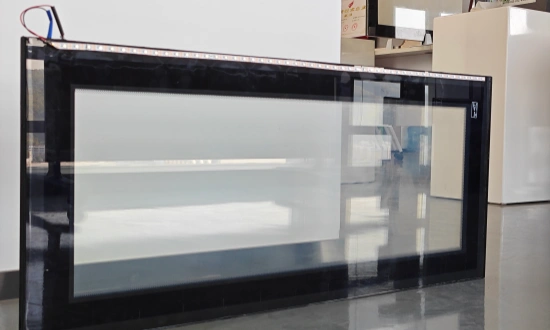
The product page describes it as a laminated glass system with perovskite thin film integrated into the glass build-up, turning the facade into a “transparent power plant.” Unlike opaque modules, it keeps the glass language of the building intact while still generating electricity. That gives you a cleaner path to BIPV without sacrificing openness, facade rhythm, or daylight quality.
Low-Light Power Harvesting
Real projects do not live in perfect lab conditions. They live in cloudy mornings, shaded streets, reflected light, and mixed urban exposure. That is why Perovskite PV Glass is compelling for dense developments: the technology is positioned for all-weather and low-light harvesting, which makes facade generation more practical in real design conditions than many people assume.
Design-Friendly Customization
A strong BIPV solution must fit architecture, not fight it. The system can be configured for different transparency and shading targets, and it can also be combined with acoustic laminated IGU or Low-E structures. That means you are not choosing between energy, comfort, and appearance. You are specifying one glass strategy that addresses all three.
Why This Product Works as High-Performance Glass
Energy generation alone is not enough. If the glazing weakens comfort, durability, or safety, it stops being a good building product. The better story here is that the glass works first as glass, then adds power on top.
Laminated Safety Structure
The published product structure uses two glass layers with laminated interlayers and the perovskite film sealed inside. That format improves impact behavior and keeps the material aligned with the safety expectations of facade and window systems. The product page also lists a max static load of +3000 Pa, which supports its use in real architectural applications rather than concept-only scenarios.
Thermal and Acoustic Gains
The business case becomes much stronger when the glazing also helps you reduce operational loads. Published data for the system points to K-values around 2.8 to 4.0 W/m²K versus standard clear glass above 5.0, along with acoustic performance in the 35 dB to 42 dB range. In plain terms, you are not just adding power generation. You are also improving insulation and noise control through the same glazed element.
UV Shielding and Interior Protection
High-end interiors fade long before many owners expect. With laminated construction and UV interception claims of up to 99%, this glass also protects finishes, furniture, artworks, and soft materials. That matters in homes, showrooms, hotels, and public buildings where visible quality is part of the asset value.
Where It Creates Real Project Value
Once you move from product talk to project talk, the logic becomes very clear. Perovskite PV Glass creates the most value where glazing already covers large areas and where owners care about both energy and appearance.
Residential Windows and Balconies
For homes, the attraction is simple: your windows and balustrades stop being passive surfaces. Reference material on the supplier site describes residential scenarios where facade glass supports lighting and smart-home loads, while attachment data also shows daily generation potential from modest glazed areas. That gives developers a way to market comfort, style, and lower power dependence in one story.
Commercial Curtain Walls
Commercial facades have scale, and scale changes the economics. The product is positioned for office towers and commercial envelopes that want lower operating cost, stronger ESG value, and a more advanced exterior language. In large facade areas, even moderate per-square-meter output becomes meaningful because the glass area can far exceed roof area. That is why BIPV glazing is especially attractive for commercial projects.
Skylights and Public Buildings
Skylights, atriums, stations, airports, and institutional buildings all face the same pressure: deliver daylight, safety, and better environmental performance without making the structure feel industrial. The application notes specifically place the product in skylights and public infrastructure, where tempered laminated safety and power generation can work together in a more elegant way than conventional solar assemblies.
What Supports Confidence in Your Specification
A facade product can look promising on paper and still fail at the factory level. When you specify Perovskite PV Glass, manufacturing depth, process control, and technical support matter as much as the concept itself.
Automated Production Depth
The supplier states that its production system runs at 85% automation and uses major lines from leading European equipment makers. It also lists jumbo-format processing up to 6,000 mm by 3,300 mm across key operations such as cutting, tempering, laminating, and insulating. For you, that means better consistency, tighter repeatability, and more confidence on large or customized facade packages.
Certification and Quality Control
Published company materials highlight certifications across U.S., Australian, European, and ISO standards, along with annual third-party audits. That matters because facade decisions are never about appearance alone. They are about compliance, procurement confidence, and risk control across markets. A strong certification base makes specification easier and cross-border project work more realistic.
Engineering Support and Delivery Logic
The company positions itself around architects, designers, curtain wall factories, and custom project teams, not just bulk supply. It also offers quote requests, technical contact, and drawing upload directly through the contact process. That is useful when you need early feasibility checks, performance alignment, and a glass build-up that fits your actual facade system rather than a generic catalog item.
Start Your Next BIPV Project with a Clearer Strategy
If you want cleaner building lines, stronger envelope performance, and a more marketable sustainability story, Perovskite PV Glass gives you a much better route than forcing standard solar hardware onto premium architecture. The right next step is not to guess. It is to test, compare, and specify with real project inputs.
Free Sample Request
Start with a sample so you can judge finish, transparency, and build quality in person. That is the fastest way to see whether the material fits your facade intent and client expectations.
Custom Solution Consultation
Ask for a project-specific glass proposal when your target includes daylight control, acoustic comfort, thermal performance, and on-site power generation in one envelope system. A custom approach matters more than a standard brochure in BIPV work.
Drawing Submission and Direct Contact
If your scheme is already moving, send drawings early. Direct technical review helps align glass type, thickness, configuration, and integration logic before the facade package is fixed. That saves time later and turns an attractive idea into a buildable specification.
FAQ
Q: Is Perovskite PV Glass suitable for curtain walls and high-rise facades?
A: Yes. The published application range includes commercial facades, curtain walls, and public infrastructure, and the laminated safety structure is designed for real architectural use rather than decorative-only glazing.
Q: How does Perovskite PV Glass compare with conventional energy-saving glass?
A: Conventional energy-saving glass mainly helps manage heat transfer. This product goes further by combining solar generation with insulation, sound control, and UV protection, so one glazing element can support both building comfort and energy output.
Q: What should you review before specifying this type of glass?
A: Focus on facade orientation, transparency target, expected shading level, acoustic and thermal goals, structural loading, and electrical integration. The best results come when those decisions are made together, not one by one.