
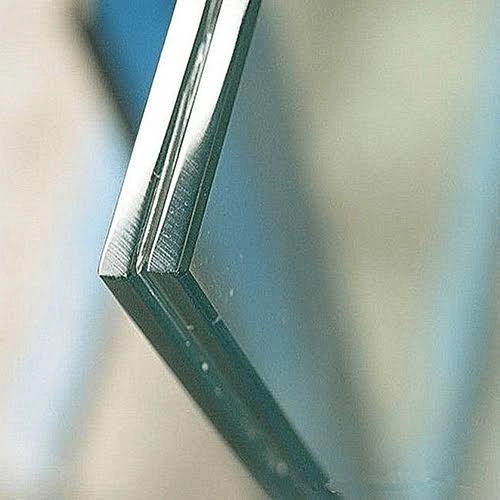
There are several options to consider when choosing the appropriate glass for your new construction project. The glass chosen will provide safety to the building, as well as provide comfort to its occupants. Also, considerations to the amount of sunlight entering the building as well as the sound entering the building should be taken into account. In addition to these considerations, the cost of maintenance of the glass chosen over time must also be taken into account. Both Laminated Glass Windows and Tempered Glass Windows are classified as safety glass, however each reacts differently to human impact.
GLASVUE works with architects, contractors, façade engineers, and project buyers who need custom architectural glass rather than standard panels. Tempered, laminated, insulated, Low-E, decorative, acoustic or safety glass – for residential or commercial purposes. In automated production, with experienced technical staff on site and the possibility of custom processing GLASVUE is the practical choice between optimum performance and great looks. For window production Professional Laminated Glass and Tailored Tempered Glass are a good starting point.
What Is the Main Difference Between Laminated Glass Windows and Tempered Glass Windows?
The main difference is not just thickness or price. It is the way the glass is made and how it breaks. That matters because a window does not fail in a showroom. It fails on a balcony, near a stairwell, beside a busy road, or under a strong afternoon sun.
Layered Safety Structure
Laminated glass is made from two or more glass panes bonded with an interlayer such as PVB, SGP, or EVA. If the glass breaks, the fragments tend to stay attached to the interlayer. The panel may crack, but it can still hold together for a short time.
That is why laminated glass is often selected for windows where falling shards, forced entry, or overhead breakage are serious risks. GLASVUE Professional Laminated Glass can be customized with different interlayers, thicknesses, colors, and structures, which gives you more control over safety, sound, and appearance.
Heat-Treated Strength
Tempered glass is made by heating glass to around 650°C and cooling it rapidly. This creates surface compression and internal tension, making the glass much stronger than ordinary annealed glass.
GLASVUE Tailored Tempered Glass is useful when you need higher strength, clean edges, drilled holes, cutouts, surface treatment, or heat soak testing. One small but important project note: holes, notches, and edge details must be confirmed before tempering. After tempering, the glass normally cannot be cut again.
Post-Breakage Behavior
Laminated glass cracks and holds. Tempered glass resists impact better, but when it finally breaks, it turns into many small blunt pieces. Those pieces lower the risk of deep cuts, but the opening may lose its barrier function.
So the choice is not “which is stronger” only. You also need to ask what should happen after breakage.
What Advantages Do Laminated Glass Windows Offer?
Laminated glass is usually chosen when you care about what happens after impact. In many real projects, the after-breakage stage is the key safety point.
Fragment Retention
Laminated Glass Windows help keep broken pieces attached to the interlayer. This is valuable for high-rise apartments, balcony doors, roof glazing, schools, hospitals, hotels, and street-facing shop windows.
For example, a cracked balcony panel on the 18th floor is not just a glass issue. It is a public safety issue. In that type of location, GLASVUE Professional Laminated Glass gives you a better safety margin because the panel can be designed to reduce fragment fall and sudden opening failure.
Acoustic Comfort
The interlayer in laminated glass can dampen sound vibration. This makes it useful near roads, rail lines, schools, airport zones, and busy commercial streets. A standard thick pane may block some noise, but a laminated structure often performs better when traffic noise and voices are the main concern.
If your window project faces a main road, you can ask GLASVUE to review glass thickness, interlayer type, and whether the laminated pane should be paired with an insulating glass unit. A few millimeters can make a real difference in a bedroom or hotel room facing late-night traffic.
UV and Interior Protection
Common PVB interlayers can block up to 99% of UV rays. This helps protect timber floors, curtains, sofas, display shelves, and artwork from fading. It does not mean the room becomes dark. A suitable laminated glass structure can still keep natural light while reducing UV damage.
That is why Laminated Glass Windows are often used in villas, hotel lobbies, retail stores, museums, and premium residential projects where daylight and material protection both matter.
What Advantages Do Tempered Glass Windows Offer?
Tempered glass is the better fit when strength, impact resistance, heat stability, and clean fabrication matter most. It is widely used because it gives a good balance of safety and cost for many window and door systems.
Higher Mechanical Strength
Tempered glass has 3 to 5 times the impact resistance of regular glass and has 4 to 5 times the bending strength of regular flat glass. Typically, tempered glass is specified for door applications, low rise windows, shopfronts, partitions, stairwells and interior glazing applications.
| Performance Point | Laminated Glass | Tempered Glass |
| Basic Structure | Two or more panes with PVB, SGP, or EVA interlayer | Heat-treated single pane or component pane |
| Breakage Behavior | Cracks but fragments stay bonded to interlayer | Breaks into small blunt particles |
| UV Control | PVB can block up to 99% UV rays | Depends on coating or added structure |
| Impact Strength | Depends on glass thickness and interlayer type | Around 3 to 5 times ordinary glass |
| Bending Strength | Depends on pane type and build-up | Around 4 to 5 times ordinary flat glass |
| Common Project Use | High-rise windows, skylights, balconies, acoustic glazing | Doors, partitions, façades, shopfronts, interior glass |
Thermal Shock Resistance
Tempered glass also handles temperature changes better than ordinary glass. This matters for windows exposed to strong sun, shaded edges, air-conditioning vents, or nearby heat sources. Sudden heating on one part of a pane can create stress. Tempered glass is better prepared for that.
GLASVUE Tailored Tempered Glass is a good option for exterior windows, glass doors, partitions near heat sources, and façade panels where thermal stress is part of daily use.
Flexible Fabrication
Tempered glass projects often involve details that look small on paper but cause trouble on site: a handle hole that is 3 mm off, a notch that conflicts with hardware, or an edge polish that does not match the frame.
GLASVUE supports custom sizing, edge processing, drilling and cutouts, surface treatments, and heat soak testing. For contractors, this is useful because window glass is rarely “just a rectangle” once hardware, frame tolerances, and installation sequence are added.
How Should You Choose Between the Two?
A good glass choice starts with risk. Where is the window installed? Who uses the space? What happens if the panel breaks? How much sound control do you need? Is the glass exposed to sun, wind load, or human impact?
Safety Priority
If your main concern is broken glass staying in place, choose laminated glass. It is better for skylights, overhead glazing, high-rise windows, glass railings, balcony panels, schools, public buildings, and security-sensitive areas.
For these cases, GLASVUE Professional Laminated Glass gives you more design space. You can select suitable interlayers, pane thickness, tint, and even combine the glass with Low-E or insulated units when energy and sound targets are also needed.
Strength Priority
If mechanical strength and resistance to impact in everyday use is your main concern then tempered glass is probably your best choice. For glass doors, shopfronts, partitions, low rise window systems, shower enclosures, furniture glass etc with normal use.
For Laminated Glass Windows used in high-risk positions, tempered laminated glass can also be considered. That means tempered panes are laminated together, giving both strength and post-breakage retention.
System Priority
Many modern projects do not use only one glass type. A façade may use tempered glass in some areas, laminated glass in safety zones, and insulated laminated glass in rooms that need better comfort.
| Project Situation | Better Starting Choice | Reason |
| High-rise apartment window | Laminated or tempered laminated glass | Helps reduce falling-fragment risk |
| Street-facing bedroom | Laminated glass or laminated IGU | Better sound damping and UV control |
| Glass door or partition | Tempered glass | Good strength and safe particle breakage |
| Skylight or roof window | Laminated or tempered laminated glass | Glass should remain bonded after breakage |
| Retail storefront | Laminated glass | Better barrier after impact |
| Sun-exposed façade panel | Tempered glass or coated tempered glass | Better heat stress resistance |
Where Should Each Glass Type Be Used in Real Projects?
The easiest way to decide is to match the glass to the risk area. A quiet low-rise living room, a hotel façade, and a shopping mall skylight do not need the same glass.
Residential Windows
For standard low-rise residential windows, tempered glass is often enough when the main need is strength and safe breakage. For high-rise homes, children’s rooms, balcony doors, and windows facing heavy traffic, Laminated Glass Windows are usually the more careful choice.
If you also need insulation, GLASVUE can help pair laminated glass with insulated glass structures. A sealed air or gas cavity can improve thermal performance, while the laminated pane can support sound damping and safety.
Commercial Facades
Commercial buildings often mix visual design, safety codes, wind load, sunlight, and indoor comfort. Large panels may need tempered glass for strength. Entrances, display windows, and crowded zones may need laminated glass because the panel should stay together after impact.
GLASVUE’s production capabilities support oversized formats, complex structures, automated processing, and custom architectural glass. This is useful when the project includes non-standard sizes, façade drawings, edge details, or different glass types across one building.
High-Risk Glazing Areas
Skylights, overhead glazing, stairwell glazing, glass balustrades, and balcony panels need extra care. In these areas, the real risk is not only the first crack. It is what happens seconds later.
For this reason, laminated glass or tempered laminated glass is often a safer route than a single tempered pane. A single tempered pane may break into safer particles, but it may also leave an open space. Laminated glass keeps the broken panel bonded, which can lower the chance of falling glass and sudden exposure.
Work With GLASVUE for Custom Architectural Glass Projects
The right answer depends on your site, not on a general product label. You need to check height, wind load, frame type, installation method, sound target, sunlight exposure, safety risk, and local rules. A small café window and a 30-storey façade should not be treated the same.
GLASVUE’s background shows its focus on tailored architectural glass, automated production, and project-based support. For buyers, this matters because custom glass is not only about cutting size. It also includes edge quality, interlayer choice, processing sequence, packaging, and drawing review.
If you are comparing Laminated Glass Windows with tempered glass windows, send your drawings, glass size, thickness target, frame system, application area, and performance needs to the GLASVUE team through the contact page. For safety-first areas, ask about Professional Laminated Glass. For strength-first areas, ask about Tailored Tempered Glass. For demanding projects, ask whether a tempered laminated or insulated laminated structure would be a better fit.
FAQ
Q: Are Laminated Glass Windows safer than tempered glass windows?
A: Laminated Glass Windows are often safer where broken glass must stay in place, such as high-rise windows, skylights, balconies, and storefronts. Tempered glass is also safety glass, but it breaks into small blunt particles and may leave an open gap.
Q: When should you choose GLASVUE Tailored Tempered Glass?
A: Choose GLASVUE Tailored Tempered Glass when your project needs higher strength, better thermal shock resistance, custom sizing, edge processing, drilled holes, cutouts, surface treatments, or heat soak testing.
Q: Can GLASVUE provide both laminated and tempered glass for one project?
A: We support Professional Laminated Glass as well as Tailored Tempered Glass. For some projects a combined solution would be even better like tempered laminated glass or laminated insulated glass, depending on safety, sound and energy requirements.