
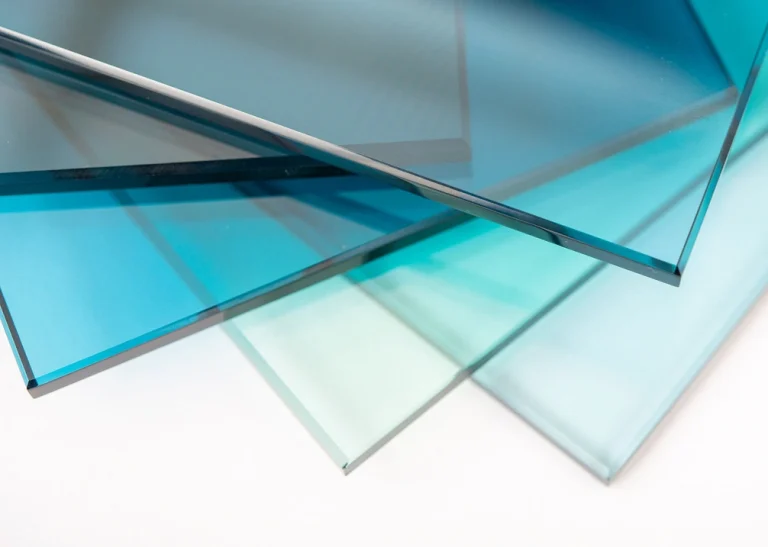
When you specify glass for heavy traffic windows or heavy sliding doors, the real concern is rarely just about style. You are deciding exactly how that transparent panel reacts to sudden impact, years of daily use, harsh summer heat, and the physical stress of heavy metal hardware. That is precisely why Tailored Tempered Glass keeps showing up constantly in serious construction projects today.
GLASVUE has built a solid reputation around architectural glass processing, and their custom approach gives you a vastly safer and project specific option for modern building openings. You see this everywhere from tightly framed commercial windows to frameless boardroom partitions. If you need to review the actual fabrication depth before you specify anything on your blueprints, you can read more about the company background or dive deep into the GLASVUE main site to see exactly how they operate.
Why Is Tempered Glass Safer Than Standard Glass?
Before diving deep into the customization part of the job, it really helps to look at the basic safety logic first. Tailored Tempered Glass is heavily used in residential windows, retail doors, and hospital partitions because it physically behaves totally differently from ordinary annealed glass when put under stress.
Safer Breakage Pattern
The most familiar benefit is the distinct way tempered glass breaks. Instead of shattering into long, sharp shards that act like falling knives, it shatters entirely into much smaller blunt particles. These little chunks are significantly less likely to cause serious bodily injury if someone accidentally walks into a closed patio door. In main entry doors, busy interior partitions, and low level glazing near walkways, that fundamental change in the breakage pattern is a massive deal.
Higher Mechanical Strength
Tempered glass is also massively stronger than ordinary float glass. According to official product data, the raw impact resistance is exactly 3 to 5 times that of ordinary glass, and its bending strength is roughly 4 to 5 times that of ordinary flat glass. That raw strength matters a ton in heavy lobby doors that open and close hundreds of times all day long, and large exterior windows that absolutely need to handle serious wind pressure without feeling flimsy.
Better Thermal Shock Resistance
Building glass does not only fail from physical impact. It can also fail spectacularly from uneven heat distribution. The uploaded technical notes clearly state that tempered glass can handle sudden temperature differences above 250°C. That thermal stability is exactly why it is so often used near sun exposed south facing facades and hot indoor kitchen zones. For example, if a dark tinted window absorbs brutal afternoon sun while the interior face is blasted by cold air conditioning, standard glass will simply crack from the stress. Tailored Tempered Glass takes that extreme temperature swing effortlessly.
Why Does Custom Tailoring Matter Before Tempering?
This is exactly where many eager material buyers make a very costly mistake that ruins their project schedule. Tempered glass gains all of its incredible strength after the intense heat treatment process, but that also strictly means every single size change, metal hardware cutout, and polished edge detail must be completely planned before the glass ever enters the hot furnace.
Precise Sizing and Cutout Planning
Exterior windows, sliding doors, and glass partitions all depend heavily on accurate physical dimensions. A tiny mistake of just a few millimeters can easily decide whether the heavy panel sits properly in an aluminum frame or works smoothly with a floor hinge. With Tailored Tempered Glass, the exact final size must be confirmed before the tempering stage happens. Trying to trim or drill a panel after it comes out of the tempering furnace is physically impossible because the whole sheet will instantly explode into tiny pieces the second a drill bit touches it. Hardware errors cut into glass are never small errors. If a hinge cutout is off by half an inch, the glass goes straight into the recycling bin.
Edge Treatment Quality
Glass edge treatment is directly linked to material strength and factory yield. The official production process notes explain that grinding and polishing edge treatment is used specifically to remove invisible micro cracks before the heating stage. If those tiny cracks are left alone, the glass is highly likely to break violently inside the furnace. Clean edges also dramatically improve the final visual look, which matters a huge amount in expensive frameless office partitions. You can check out the heavy machinery used for this process on the Production Capabilities page to see how serious factories handle raw edge grinding.
Where Is Custom Tailored Tempered Glass Most Useful?
Not every single commercial project needs the exact same heavy glass build, but there are several common areas where Tailored Tempered Glass makes immediate financial and practical sense.
Entrance Doors and Interior Partitions
Main entry doors face constant physical impact, heavy hardware stress, and extremely frequent opening cycles every single day. In sliding track systems and heavy pivot doors, having perfectly accurate holes and smoothly polished edges are just as important as the raw impact strength. Similarly, clear partitions in busy corporate offices, fancy hotels, and dental clinics absolutely need safe breakage behavior and perfectly accurate hardware coordination. Tailored Tempered Glass suits these crowded spaces beautifully because it keeps a very light and airy visual feel while still offering much better daily durability against bumps and scratches from rolling office chairs.
Windows and Facade Openings
This toughened material is also widely used in high rise tower windows, glass rain canopies, and other high traffic areas where strong wind pressure and rapid thermal change matter a lot. The glass has to perfectly meet structural engineering codes and strict safety expectations without suddenly becoming visually heavy or blocking the natural sunlight.
How Do Safety and Design Work Together?
Some material buyers falsely believe that picking safety glass automatically means giving up their creative design freedom. In daily architectural practice, the exact opposite is usually true.
Modern corporate interiors and sharp building facades rely heavily on massive pieces of glass to keep rooms feeling open and visually connected to the outside world. Tailored Tempered Glass directly supports that design goal by offering a significantly safer option without forcing the architect to use bulky solid metal panels. Building projects do not always use boring plain rectangular panels either. Sometimes you need softly shaped curved corners or totally non standard triangular openings. A glass supplier that can accurately cut, drill, heat, and quench the glass gives you a lot more room to solve real world design problems.
The official product information also proves that this tough glass can be easily combined with patterned frosted glass, acid etched privacy glass, digital printing glass, and several different tint coating options. You do not have to blindly choose between maximum safety and good appearance. You can easily keep both of them.
What Should You Check Before Ordering?
Before you officially place a massive glass order, it really helps to carefully review a few practical manufacturing points. These directly affect your delivery timeline and the installation process.
- Impact Resistance:Rated at 3 to 5 times ordinary glass, offering better daily safety and durability.
- Bending Strength:Rated at 4 to 5 times ordinary flat glass, making it more reliable under heavy wind load and pressure.
- Heating Temperature:Processed at around 650°C, which is the core step in forming the tempered stress pattern.
- Thermal Shock Resistance:Capable of handling above 250°C temperature differences, making it a better fit for sun and heat exposed areas.
- Breakage Form:Shatters into blunt particles, resulting in a much lower injury risk after accidental breakage.
Drawing Accuracy and Processing Scope
Always confirm the absolute final size, the exact thickness, the precise hole layout, and the intended installation method right before production officially begins. You also need to check whether the glass supplier actually handles custom sizing, heavy edge processing, glass drilling, complex cutouts, and surface treatment completely in house. That total processing range tells you a massive amount about whether the supplier is properly set up for complex architectural glass.
Project Communication
A genuinely good material supplier should be fully able to review your CAD drawings, spot risky hardware details, and quickly discuss feasible physical adjustments long before the furnace turns on. Clear pre production communication is usually what saves a complicated project from disaster. You can get that conversation started by sending your specific dimensions and hardware needs directly through their contact channel today.
Why Choose This Product for Your Next Project?
If your upcoming project involves making safer windows, heavy sliding doors, or busy office partitions, Tailored Tempered Glass is a highly practical choice. It beautifully combines much stronger physical performance with exact project specific fabrication. It gives you vastly safer breakage behavior, much higher structural strength, way better thermal stability, and the complete freedom to accurately match your metal hardware and aesthetic design intent weeks before the installation crew even arrives.
That matters tremendously whether you are working on a simple retail storefront entrance or a high end residential sliding door with incredibly strict public safety demands. If you are already stuck in the heavy specification or budget quotation stage, the most useful next step is to simply send your drawings and exact hardware details for a proper professional review rather than just guessing numbers from a standard catalog sheet.
FAQ
Q: Why is Tailored Tempered Glass better for heavy doors and office partitions than ordinary float glass?
A: Tailored Tempered Glass offers significantly stronger impact resistance against daily bumps, much safer blunt breakage if an accident happens, and way more accurate factory processing for heavy hinges, lock cutouts, and polished edge details. That combination makes it a much better fit for high traffic daily use openings.
Q: Can tempered glass still be creatively customized for weird hardware and unique shapes?
A: Yes, it absolutely can, but all of the heavy customization must be totally completed before the tempering furnace phase. The exact overall size, the hinge drilling, the complex cutouts, the edge polishing work, and any special arched shapes are completely planned and cut first. Only after all that work is done does the glass finally go through the extreme heat treatment process.
Q: Is tempered glass only strictly meant for massive commercial office buildings?
A: No, not at all. It is incredibly widely used in both standard residential homes and heavy commercial settings. You will constantly see it used for house entry doors, backyard sliding doors, bathroom shower enclosures, interior room partitions, large living room windows, and basically any other place where having much safer glass performance truly matters to the people living there.