
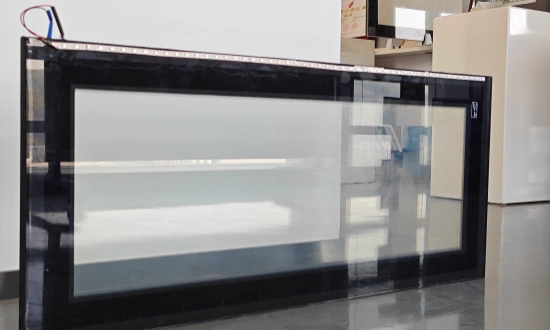
When you design a commercial building or a luxury house, that giant exterior facade is basically a massive blank canvas. You could just put up regular insulated windows to keep the rain and cold air out, but that feels like a huge missed opportunity in 2026. Turning that massive vertical surface into an active power generator is where BIPV with Perovskite PV Glass steps in. You get to maintain your clear, beautiful city views while the glass quietly collects solar energy all day long. It heavily beats having those ugly, heavy solar panels bolted onto a premium roof.
Finding a genuinely good manufacturer for this material is pretty tough though, which is exactly why GLASVUE comes up a lot in industry conversations. They have spent 29 years working closely with architectural glass. Their products do not just look pretty on paper; they actually hold up against harsh weather and strict safety testing in the real world.
The Evolution of Solar Architecture: Why BIPV Is the Future
Modern architecture faces a dual challenge because buildings must dramatically reduce their carbon footprints while maintaining clean and visually striking profiles. Opaque rooftop solar arrays have served their purpose well for decades, but they are physically limited by roof surface areas, especially on dense and vertical urban high rises. This spatial bottleneck has driven the commercial building sector toward a much more comprehensive method of clean energy collection.
The Shift from Traditional Add Ons to BIPV
Old school solar panels are usually slapped onto a flat roof long after the main structural construction is totally finished. It adds a ton of dead weight to the building top. Plus, the installation crews have to drill heavy metal racking systems straight into the roof membrane, which eventually leads to annoying water leaks a few years down the road. Integrated photovoltaics completely fix this annoying headache. You are simply swapping out a standard building envelope material for one that produces electricity natively. Instead of buying a normal structural glass panel and then paying extra money for a separate solar array, you get a solid two in one deal. The whole installation timeline gets much shorter, and the building keeps its sleek shape without random metal racks sticking out everywhere.
Dual Functions of Modern Building Envelopes
A building envelope has a really demanding job these days. It has to block heavy wind loads, cut down on annoying street traffic noise, filter out fading UV rays to protect interior furniture, and keep the indoor temperature highly stable so the air conditioning bill does not go absolutely crazy in the summer. Throwing clean power generation into the mix just makes logical sense. The glass skin basically turns into a localized power plant. That generated electricity can flow straight into the building grid to run lobby lights, power up elevator systems, or drive automated mechanical ventilation during the busiest and most expensive hours of the day.
Global Decarbonization Goals and Requirements
Building energy codes globally are getting super strict lately as cities try to clean up their grids. Just packing more fiberglass insulation into a wall cavity is not enough to pass inspections anymore. If you want to hit net zero emission targets or grab those fancy green building certificates to attract premium corporate tenants, your building absolutely has to generate its own power on site. Tall urban office towers usually have ten times more vertical wall space than flat roof space. So, if you really want to cut carbon emissions in a crowded metropolitan city, utilizing the vertical facade for daily power generation is pretty much the only logical and practical path forward.
The Technical Makeup of Active Solar Glass
To completely grasp why this specific smart glass is making massive waves, you have to look at the base chemistry. Normal silicon solar panels are thick, heavy, and totally block the sunlight. Thin film technology uses synthetic crystals that act a lot like natural minerals.
The Science Behind Perovskite Thin Films
The cool part is they absorb certain light wavelengths for power but let visible light pass right through to the interior. Because the active coating is ridiculously thin, modern factories can apply it directly to clear glass sheets. You end up with a fully transparent solar cell. You look out the window at the city skyline, and the window is secretly harvesting solar energy at the exact same time.
BIPV with Perovskite PV Glass Structural Core
You obviously cannot just stick a delicate solar cell on the outside of a 50 story skyscraper and hope it survives a bad storm. It needs serious, heavy duty protection. A premium setup like the Perovskite PV Glass composite usually places a 0.57mm or 0.76mm active PVB solar interlayer right between two thick pieces of 6mm ultra clear tempered glass. This heavy factory lamination creates a brutal, highly durable composite sheet. It can easily take a maximum mechanical wind load of +3000 Pa without flinching. So, going green with BIPV with Perovskite PV Glass never means you are cutting corners on structural safety, impact resistance, or local building codes.
Customizable Transparency and Tints
Nobody wants their premium office tower to look exactly like the boring one next door. Thin film tech gives you a lot of fine control over the visual vibe. The factory can easily tweak the density of the solar coating during the baking process. If you want lots of natural daylight in a lobby, you can go with a light 10% to 20% shade rate. For a western facade that gets blasted by the brutal afternoon sun, you might choose a heavier 40% to 60% shade. It lets you perfectly balance exactly how much glare you want to block versus how much electricity you want to generate.
Key Benefits of Active BIPV Solutions
Evaluating a new building material requires looking at real data and operational advantages rather than just marketing hype. When you upgrade from standard float glass to a high performance active system, the returns extend far beyond simple power generation.
Superior Low Light Energy Harvesting
Standard silicon panels are super picky because they need direct sunlight hitting them at the perfect angle to work well. That is terrible for vertical walls. Thin film assemblies are way more forgiving in real city conditions. They pull in energy from a much wider light spectrum. Even if it is a cloudy morning, or the building next door is casting a weird shadow, these panels keep generating steady power. Your facade works hard all day, not just for a couple of hours at noon.
Enhanced Thermal and Acoustic Insulation
A thick laminated panel is naturally great at blocking both loud noise and excess heat. The inner polymer layer physically dampens sound vibrations, which is an absolute lifesaver if your building sits near a busy city highway or a train station. Also, the air spaces or low emissivity layers keep the harsh summer heat outside where it belongs.
Acoustic and Thermal Upgrades Comparison
- Standard Laminated (6mm plus 1.14mm PVB plus 6mm): Yields 35 dB of sound insulation. Good for basic safety and damping low frequency noise.
- Thick Laminated (8mm plus 1.14mm PVB plus 8mm): Yields 39 dB of sound insulation. Provides strong structural hold and cuts harsh urban traffic sound.
- Insulated Laminated (6mm plus 0.76 PVB plus 6mm plus 9A plus 6mm): Yields 42 dB of sound insulation. Acts as a premium acoustic barrier with a dedicated thermal air space.
Thermally, it is a huge jump. A basic 6mm float glass leaks heat at a high rate of 5.0 to 5.5 W/(m²K). A standard 5 plus 5mm active laminated assembly drops that heat transfer coefficient down to somewhere between 2.8 and 4.0 W/(m²K). You are essentially trapping the indoor climate, which cuts your air conditioning costs heavily over the entire year.
Current Limitations and Industry Challenges
While the benefits are significant, an honest engineering analysis requires looking closely at the current boundaries. No building material is perfect, and knowing these limitations helps project teams avoid costly mistakes during the early design phase.
Long Term Outdoor Stability
Being objective, there are definitely some technical hurdles right now. Crystalline thin films are pretty sensitive to bad weather. If moisture or oxygen creeps in, the active solar layer starts to degrade fast. Manufacturers have to use extreme edge sealing methods and tough lamination layers to keep the inside bone dry. It is a constant battle against outdoor humidity.
Large Scale Manufacturing Constraints
Putting a microscopic, perfectly even solar coating over a massive piece of architectural glass is incredibly hard to do in real life. If the coating is even slightly uneven, the glass looks patchy to the human eye and the power output drops significantly. Factories need expensive, highly controlled cleanrooms and automated robots to pull this off without suffering from high defect rates. You can actually see the kind of heavy machinery needed for this exact process on the Production Capabilities page of top tier makers. They run an 85% automation setup just to keep the production quality perfectly consistent, which naturally drives up the initial purchase price compared to standard cheap windows.
Efficiency Maintenance over Time
Every solar panel loses a little bit of its punch over the years. Normal commercial panels are usually rated for 25 years. Thin film materials are still proving they can match that exact lifespan out in the wild. The chemical formula has to be incredibly precise. Picking a supplier that actually tests their materials rigorously is the only way to protect your budget in the long run.
Real World Applications for Urban Architecture
The true value of integrated glass becomes clear when you look at how it performs across different parts of a modern building structure. By matching the transparency to the specific exposure of each wall, you can transform the entire building exterior into an active collector.
High Rise Facades and Curtain Walls
For a massive skyscraper, the curtain wall is the absolute best spot to grab solar energy. Wrapping the sunny sides of the building with BIPV with Perovskite PV Glass creates a massive amount of internal power.
Electrical Output Estimates Based on Density
- Light Tint (10% to 20% Shade Rate): Generates 40 to 60 W per square meter hourly. Best placed in vision zones and regular office windows.
- Heavy Tint (40% to 60% Shade Rate): Generates 120 to 150 W per square meter hourly. Best placed in spandrel areas and high glare zones.
A thousand square meters of the heavier tint can crank out up to 750 kW daily. That is a massive drop in grid reliance, and it significantly shrinks your carbon footprint right away.
Commercial Skylights and Canopies
Glass roofs over malls or hotel entrances get baked by the sun all day long. Swapping regular glass for semi transparent active panels solves two problems. It creates nice, filtered natural light so the lobby does not turn into a sauna, and it generates enough juice to run the automatic doors or the decorative night lighting.
Residential Balconies and Balustrades
In luxury residential developments, glass balustrades on balconies offer a smart way to add decentralized solar power. By using a medium tint, you can give residents exceptional privacy from the street while capturing clean energy along every balcony edge. This power can be stored in localized battery banks to run corridor lighting or individual unit appliances.
Partner with GLASVUE for Your Next BIPV Innovation
Executing a successful solar facade requires a manufacturer that combines traditional glass fabrication skills with advanced material handling capabilities. This is exactly where you need a direct technical link between architectural design and field performance.
Decades of Architectural Glass Expertise
Pulling off a reliable solar facade means you need a fabricator that actually knows industrial glass inside and out. With nearly 30 years under their belt, GLASVUE has dealt with almost every single structural glazing problem you can possibly imagine. If you check out their background, you will definitely notice they focus heavily on passing strict international tests, not just making things look good on a marketing brochure. They understand the harsh realities of building construction.
Tailored Active PV Glass Solutions
They do not really do off the shelf, generic sizes. Every single panel is custom cut and tuned specifically for your exact project. Whether you need a specific shade rate to match a corporate logo or a weird custom shape for a corner office, their engineering team figures out the complex lamination details.
For anyone putting together a new set of building drawings, reaching out through their portal to get a proper technical review is a genuinely smart move. Using BIPV with Perovskite PV Glass is basically future proofing your premium property against constantly rising energy costs.
FAQ
Q: Can BIPV with Perovskite PV Glass fully replace standard commercial windows?
A: Yes. These active panels easily meet the exact same structural safety and wind resistance codes as regular premium commercial glass, but they also generate clean electricity for your building simultaneously.
Q: How does wind load certification affect the use of active glass on tall commercial buildings?
A: It is a genuinely huge deal. Premium active units are rigorously tested to survive mechanical wind loads up to +3000 Pa. This means the laminated glass stays completely safe and intact even during severe storms at high altitudes.
Q: What happens to the generated solar power when the building internal electrical load is low?
A: The generated power flows directly into local inverters. If your building makes more electricity than it uses, like on a very quiet Sunday afternoon, that extra power can reliably charge onsite battery banks or get sold right back to the municipal utility grid.