
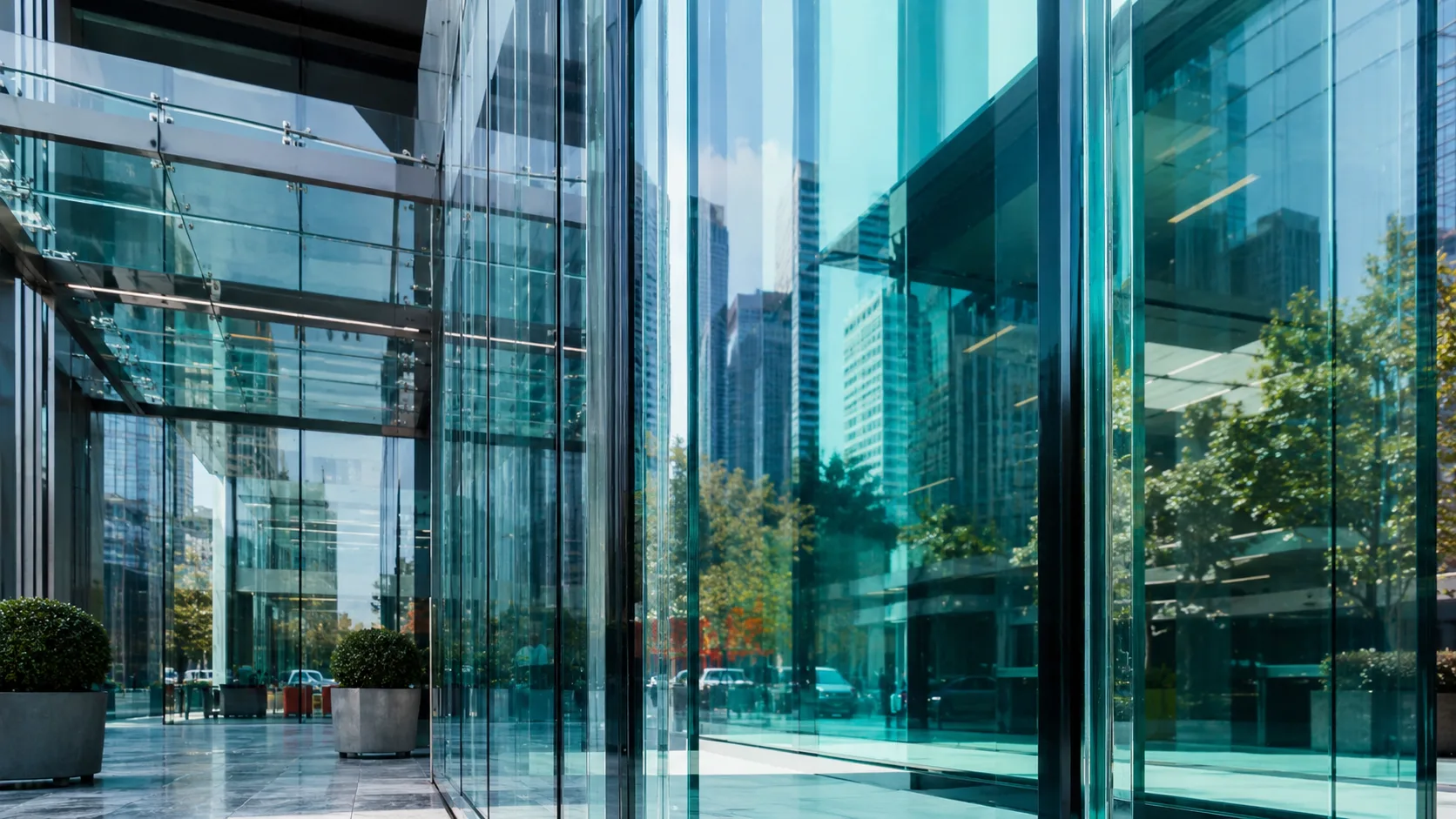
In 2026, Tailored Tempered Glass is reshaping urban landscapes, expanding the limits of size, heat management, and design appeal. For 29 years, one producer has steadily supported the exteriors of famous buildings around the world. GLASVUE remains a top expert in building glass processing, offering personalized options to more than 130 cities and 17,600 structures across the globe. Through modern Industry 4.0 assembly lines, the plant manages large 3300x6000mm sheets without any visual flaws. If you create business areas, you require materials that satisfy tough energy and safety standards without sacrificing style. The company supplies just that, combining accurate shaping, border smoothing, and intense heat treatment to fit demanding building needs. This provides a smooth link between basic design ideas and solid construction, transforming ordinary building covers into strong, power-saving icons.
The Shift Toward Oversized Architectural Glass Panels
Business building keeps moving from bulky, blocking frames. Creators now choose vast, unbroken clear areas that fill inside spaces with daylight and make the outside appear light and airy.
Unobstructed Floor-To-Ceiling Views
Current office designs focus on natural light to improve worker output. By placing large clear sheets, builders reduce sight barriers. This allows a smooth flow between the inside work area and the outside setting, helping business spaces seem much bigger and more welcoming.
Seamless Unitized Curtain Walls
Holding large sheets needs solid planning. Unitized curtain walls come to the site already put together, keeping huge clear pieces firmly attached. This piece-by-piece method speeds up setup time and offers better strength, handling the strong wind forces in tall buildings.
Minimalist Frame Integration
Thick metal edges break the sense of a full-glass front. Simple blending conceals the support structure behind the building cover. To reach this borderless look, you need perfectly smoothed borders and exact shaping methods, avoiding small cracks that might weaken the sheet under strong wind.
Advanced Energy Efficiency And Climate Control
Building rules in 2026 closely control heat performance. Fronts must stop intense summer warmth while holding inside heat in winter, greatly cutting the large power needs of business heating and cooling systems.
High-Performance Low-E Coatings
A basic 6mm clear sheet has a high heat transfer U-value of about 5.8 W/(m²·K). Adding a Low-Emissivity silver layer lowers this number sharply. The silver covering works like a reflector for long-wave heat, sending back up to 50% of room heat inside during cold months and stopping outside heat rays in warm seasons.
Dynamic Electrochromic Smart Glass
Dealing with midday brightness used to need manual shades. Active smart sheets adjust their shade using small electrical charges. You can darken the front during strong sun times to stop harsh light, then switch back to clear view as night falls, removing the use for moving shade tools.
Argon-Filled Insulation Units
Basic empty units hold dry air to reduce heat movement. Switching to denser argon gas cuts heat flow even more. Filling argon into a 12mm space lowers the total U-value by an extra 0.3 W/(m²·K), taking the front’s insulation to its top possible level.
Enhanced Security With Professional Laminated Glass
Safety rules require that business barriers handle hard hits. Areas with lots of people, shop fronts, and raised paths need special items that guard walkers from chance bumps and planned threats.
Shatter-Resistant Polymer Interlayers When hit by strong force, regular sheets break into risky sharp pieces. To avoid this, builders pick Professional laminated glass. This item joins two or more layers with a strong PVB or SGP middle layer. If the wall breaks, the plastic sheet keeps the broken bits firmly together, preventing the sharp parts from dropping and hurting people nearby.
Upgraded Acoustic Insulation Benefits Crowded city areas produce steady sound disturbance. The PVB middle layer in joined units serves as a strong sound reducer. It mainly catches and softens deep sounds from 50 to 500 Hz, like big truck motors and road noise. A 0.76mm or 1.14mm sound PVB layer stops bothersome urban sounds, making office insides as quiet as a reading room.
Commercial Storefront Protection Shop owners deal with ongoing risks of damage. A joined wall works as a hidden safety door. The solid plastic center stands up to multiple hits from tools like hammers or bars, giving time for guards to arrive.
Aesthetic Innovations In Tailored Tempered Glass
Clear looks matter as much as firm build. In 2026, creators avoid the usual green shade and sight twists from past making ways, calling for total clear sight and specially made surface feels.
Ultra-Clear Low-Iron Transparency Regular sand holds iron bits that give a clear green color, mainly at smoothed borders. Using a very clean, low-iron sand blend, makers remove this green shade fully. The final super-clear item gives gem-like clearness, ideal for luxury shop shows and display cases where real color show is key.
Custom Textured And Frosted Finishes Keeping things private doesn’t mean a plain block. Chemical cleaning the top makes a smooth, iced look that spreads light but hides the sight. Builders often pick Tailored Tempered Glass for work dividers and washroom walls, bringing gentle, spread-out daylight while fully guarding the inside area.
Anisotropy-Free Visual Quality The high heat and cool steps in making can form stress areas—dark, foggy spots seen under special light or certain weather. Better heat control methods now manage the warmth spread carefully, removing these ugly spots. You end up with an even, spot-free top that appears perfect from all sides.
Sustainable Manufacturing And Eco-Friendly Solutions
The drive for zero-carbon building alters how business buyers get their supplies. Project leaders seek items that cut the carbon mark of their work to gain LEED and WELL building approvals.
Low-Carbon Production Processes Large factory work has long used huge energy amounts. Current plants fight this by adding clever, machine-run ovens that cut power loss. Online systems watch each heat step, holding energy use very low while keeping strong output rates.
High Recycled Material Content Cutting fresh material pulls saves natural supplies. Quality Tailored Tempered Glass making now adds large shares of reused glass bits. Heating clean, before-use scraps lowers the oven’s energy pull, reducing total gas releases in the building step. This practice not only helps the environment but also makes the process more cost-effective over time, as it relies less on new raw inputs that can fluctuate in price due to market changes.
Long-Term Building Lifecycle Value A low-cost front lasts only ten years before needing swaps, creating big waste piles. Top Tailored Tempered Glass handles heat jumps up to 200°C without cracking, standing against harsh weather and sun exposure. Putting in a lasting cover lets builders stretch the structure’s life, turning the starting cost into a smart, green choice that pays off through reduced maintenance and longer use.
Elevate Your Next Project With Custom Solutions
Picking the best making partner sets the outcome of your building plan. You want a provider who can manage tricky shapes, tight schedules, and high output needs.
Expert Production Capabilities Tricky fronts need high-level tools. Check our production capabilities, where full machine lines handle shaping, border smoothing, and heat treating big sheets without any mistakes from people. Modern computer cutting and auto seal systems ensure your build units show up tightly closed and set for quick fitting.
Comprehensive Product Portfolio Getting parts from many sellers leads to supply headaches. Learn more about us to see a wide range from super-clear sound sheets to strong triple-layer heat units. Using one trusted making spot simplifies your supply flow and guards your work schedule.
Dedicated Client Support Your work needs close care from the first drawing to the last delivery. Our build team gives exact advice on frame details and weight needs. Go to our contact us page now to link with our tech experts and get a personal price for your coming big build.
FAQs
Q: How does Tailored Tempered Glass differ from standard annealed options?
A: The making method warms the base to around 650°C then quickly cools it with strong air blasts. This heat change builds a hard outer press layer, making it 3 to 5 times tougher than regular annealed types and very able to take hits.
Q: Can I drill holes or cut Tailored Tempered Glass after it arrives on site?
A: No, all changes must occur before the heat warming stage. Since the item carries huge inner pull, trying to shape, bore, or smooth borders after hardening will make the whole sheet break right away.
Q: Why do architects specify argon gas inside commercial insulation units?
A: Argon weighs much more and packs tighter than normal air, which greatly slows heat shift in the empty space. Adding argon to the gap cuts the heat pass rate, holding the building warmer in cold times and shielding the fine Low-E silver layers from rust.