
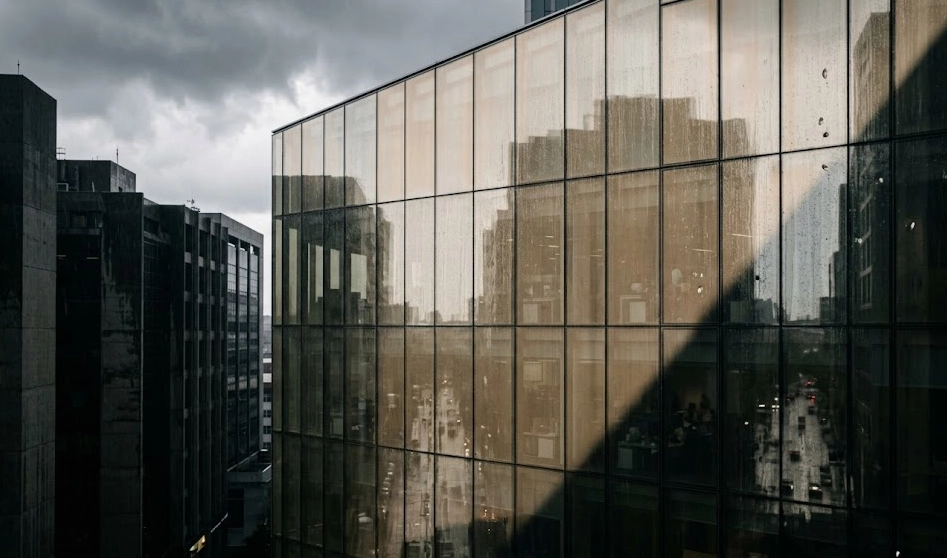
Picture the outline of a busy city on a dull, wet Tuesday. Solar power might seem impossible there. Dense city areas deal with specific obstacles. These include shades from tall buildings and steady cloud layers in many northern areas. Common solar panels do well in dry, open lands. Yet they face difficulties in city settings. Still, advances in Building-Integrated Photovoltaics (BIPV) alter this picture. Perovskite Solar Glass goes beyond a simple swap for old panels. Rather, it serves as a system designed to manage scattered and dim light that marks everyday city conditions.
Before starting your next eco-friendly front design, select a collaborator who views glass as far more than a basic view panel. GLASVUE acts as a top technical guide. It handles each building cover like a reliable electronic component. The company runs from a large 100,000-square-meter site with more than 1,000 skilled workers. They create custom fixes that blend energy output with design appeal. Such efforts help transform bold green ideas into real outcomes. World-standard lines from Finland and Germany ensure exact work. Their focus on standards delivers more than basic “solar glass” for projects. Instead, it provides a verified, lasting power resource supported by over twenty years in the field.
The Challenges of Solar Energy Harvesting in Urban Environments
Gathering power in a city differs greatly from setting up a solar field in a clear space.
Limitations of Traditional Crystalline Silicon
Regular crystalline silicon panels form the backbone of solar use. However, they demand precise light conditions. Direct, strong sunlight must strike them at set angles. In city spots, where glass stands upright and sun often gets blocked, these setups show a clear decline in power results. Since they appear solid and weigh a lot, such panels also restrict creative choices in crafting smooth, current fronts.
Impact of Urban Shading and Overcast Skies
Nearby structures casting shade harm standard solar efforts. If an adjacent high-rise cuts sun access for much of the day, a crystalline panel largely stops working. On days with clouds or dull cover, light turns scattered. It spreads out in all directions. Basic panels lack the build to grab this faint, spread light. As a result, much potential energy goes unused.
Need for Consistent Power Generation
By 2026, rules for buildings push toward zero-net energy goals. Systems that function only during a few hours of ideal sun no longer suffice. For true building independence, the front must create power from early morning rays through evening, no matter if skies stay bright or filled with heavy clouds.
The Science of Perovskite Technology in Diffuse Light
Addressing city power issues calls for examining the core properties of the material.
High Absorption Coefficient for Scattered Photons
Perovskite substances boast a strong absorption rate. In simple terms, they excel at seizing light particles. This holds true even for faint ones arriving from unusual paths. While typical silicon allows much of this spread light to slip by without sparking flow, perovskite setups prove thick enough to seize it. Thus, they perform well in dim city paths between buildings.
Tunable Bandgap for Multi-Spectrum Harvesting
A standout feature lies in its adjustable energy gap. Specialists can tweak the cell’s chemical mix to focus on certain light ranges. This lets the glass collect blue and green rays that linger on overcast days. Standard panels, tuned to red light, often overlook these.
Stable Energy Output in Perovskite Solar Glass
These core strengths yield reliable voltage from Perovskite PV Glass. A usual setup might lose 80% or greater output amid bad weather. Yet this approach keeps going. It gathers the scattered light reflecting from roads and nearby structures. In turn, it sustains a reliable stream of clean power to the building’s network.
Performance Superiority Over Conventional BIPV Solutions
Picking the best system involves checking how the glass works once fitted on a tall structure.
Higher Efficiency in Vertical Installations
City fronts typically rise straight up. Crystalline silicon loses much of its output when not angled toward the sun. Perovskite methods show less concern for light direction, however. They succeed in upright uses. This makes them ideal for the broad areas of high building wall systems.
Customized Light Transmittance and Aesthetics
Choices no longer force a pick between dim, plain panels and open views. The system delivers a smooth, quality appearance that fits current designs. Options range from 10% light passage for shaded spots to 40% for rooms needing ample natural glow. It resembles fine colored glass, all while producing energy.
Comparison of Real-World Energy Yields
The chart below shows why planners in dim areas shift from old silicon in building covers.
| Performance Feature | Standard Silicon BIPV | Perovskite Solar Glass |
| Light Type Requirement | Direct Sun (High Intensity) | Direct & Diffuse (All Intensity) |
| Angle of Incidence | Highly Sensitive | Low Sensitivity |
| Transparency Options | Opaque / Heavy Grids | 10% – 40% Tunable |
| Cloudy Day Output | Minimal | High (Stable Current) |
| Vertical Performance | Poor | Optimized |
Economic and Environmental Returns of Continuous Generation
Green practices serve both money plans and nature care equally.
Steady Return on Investment in Shaded Areas
Since Perovskite Solar Glass begins power creation early each morning and lasts into late afternoon, even beneath cloud layers, total active time grows. This reliability cuts the recovery span for setup costs. The glass offsets its price by reducing needs for costly network supply during busy city periods.
Significant Carbon Footprint Reduction Data
Nature effects prove clear and trackable. Each 100 square meters of such glass blocks about 100kg of CO2 releases daily. A 1,000-square-meter setup in a medium office yields 200-300KW of power. At the same time, it counters nearly a ton of carbon each day.
Compliance With 2026 Net-Zero Building Codes
World cities now apply firm carbon fees and power save rules. Reaching zero-net by 2026 demands more than mere thrift. Buildings must generate energy. Using Perovskite Solar Glass to turn full upright fronts into power gatherers offers the best path. It meets standards without claiming key inner room.
Why Custom Engineering is Essential for Modern Facades
Advanced glass demands strong factory methods to remain secure and steady for thirty years.
Precision Manufacturing at Industrial Scale
Reliable yet clever products require solid builds. The site achieves 85% machine operation. It employs leading Finnish and German tech to keep every glass piece level and layers even. Such machine levels help the glass hold output in tough city spots.
Versatile Design Options for Architects
Key structures call for tailored sizes. The plant handles sheets up to 6,000mm x 3,300mm. This supports large, unbroken glass fields that make power free from wide metal borders. For special forms or set light levels, the item aligns with design aims.
Global Safety and Quality Certifications
Assurance comes included. These energy units match strict safety marks of usual tall glass. Certifications cover ISO9001:2015, ANSI Z97.1 for hit strength, and AS/NZS 2008. Benefits blend lab precision with tough factory lasting power.
Partner With GLASVUE for Sustainable Building Envelopes
Shifting projects to greener paths needs more than product buys. It calls for a guide versed in front engineering details.
Decades of Facade Deep Processing Expertise
Over 25 years in the sector, the group has grown from basic glass work to leading solar-linked electronics. Learn more on this background and precision drive via the about us page.
Advanced Production Capabilities and Smart Manufacturing
The site stands as a fresh center for new ideas. Ranging from better sun manage layers to full machine seal glass lines, production strengths suit needs of any trade high-rise.
Request Your Custom Project Consultation
Cloudy weather should not block zero-net goals. For planners in early design phases or builders adding power fronts to fresh works, support awaits. Check the contact us page now. Share task info for a tailored output review on your coming build with Perovskite Solar Glass.
FAQs
Q: How does Perovskite Solar Glass compare to traditional panels on a very cloudy day?
A: Usual silicon panels depend much on straight, bright light. Overcast skies cause big drops in their work. Perovskite Solar Glass employs a core substance with far better seizure rates. It draws power from spread, faint light common in city days. This yields steadier energy results.
Q: Can this glass withstand high-rise wind loads and impacts?
A: Yes. The power tech blends into a sturdy building glass frame. It follows world rules like ANSI Z97.1 and EN14449. Panels offer equal build safety and hit resistance as other top tall front materials.
Q: Will installing this glass make the building interior too dark?
A: Not at all. A key plus is adjustable clearness. Set light passage from 10% to 40% based on wants. This mixes natural inner light with power making. It fosters cozy spaces while meeting clean energy aims.