
Choosing glass for a commercial storefront or a residential property is hardly ever just about how it looks from the street. You have to figure out how the material holds up to sudden physical impact, how much street traffic noise filters into the living room, and whether the harsh afternoon sun will completely fade the expensive flooring over time.
This heavy combination of factors is exactly why GLASVUE deserves a much closer look. The company holds 29 years of hard background in architectural glass and runs highly capable processing lines to produce Professional laminated glass. It directly targets the daily headaches of curtain wall contractors, modern architects, and property developers who desperately need tailored answers instead of buying cheap, generic panels. Out in the actual field, this kind of specific customization carries a lot more weight than flashy marketing brochures ever want to admit.
What Makes Laminated Safety Glass Different?
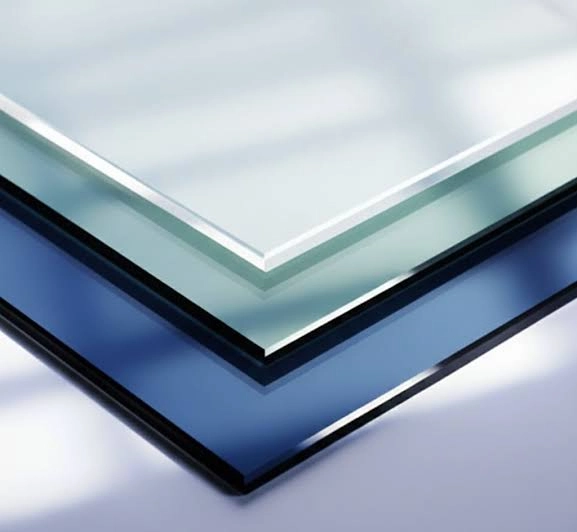
Before diving into the actual real-world advantages, looking at the physical makeup of the material clears up a lot of common confusion. Laminated Safety Glass is totally different from just picking a thicker pane of float glass. It operates as a composite assembly where two or more glass sheets get permanently bonded together using a tough interlayer. This hidden inner core usually consists of PVB, SGP, or EVA. Building the panel in layers completely alters the way it reacts when something strikes it, when a sudden crack develops, or when it faces relentless wind loads year after year.
Multi-Layer Structure
The interlayer is really the secret ingredient here. Rather than dealing with a single, brittle sheet that takes all the stress by itself, the factory lamination process forces multiple layers to act as a unified shield. Depending on what the building blueprint requires, the outer glass part can be ultra-clear, heavily tinted, coated with low-E films, fully tempered, or even dressed up with custom decorative patterns. Having all these variables gives building teams immense flexibility to balance light transmission, serious sound dampening, and strict building codes inside a single window frame.
Fragment Retention
Everybody knows that when normal glass shatters, sharp shards fly everywhere. Laminated Safety Glass reacts in a completely distinct, controlled way. The broken pieces overwhelmingly remain stuck fast to the sticky interlayer, meaning the whole shattered unit stays right in the frame rather than collapsing into a dangerous pile on the floor. For things like overhead skylights, high-rise balcony balustrades, and heavy ground-level sliding doors, this fragment retention is a massive deal. Honestly, keeping broken glass off the floor is usually the number one reason property owners decide to ditch standard glass.
Functional Interlayers
That core film does much more than just grab onto broken shards. It quietly handles acoustic dampening, blocks harsh solar radiation, and depending on the exact material chosen, significantly cranks up the overall structural stiffness of the window. So buying laminated glass is essentially purchasing a transparent multi-tool. You get a layered defense against a whole handful of everyday building problems at the exact same time.
Why Do Homeowners and Businesses Choose Laminated Safety Glass?
Normal people generally do not dig into this topic because they love reading about polymer chemistry. They look this stuff up because they are trying to figure out if spending the extra money makes a house quieter or keeps a retail store from getting robbed on a Friday night. Those are entirely valid, practical concerns.
Safer Breakage
The most widely recognized upside to Laminated Safety Glass revolves around post-breakage safety. If a heavy object violently strikes the pane, the internal film stubbornly holds the cracked fragments together. This drastically cuts down the odds of someone getting accidentally slashed by flying debris. It also prevents heavy glass chunks from dropping off tall buildings. In residential layouts, this hidden protection is highly valued near slippery patio doors, dark stairwells, and massive floor-to-ceiling living room windows. On the commercial side, it is pretty much mandatory for busy storefronts, crowded school corridors, and frantic clinic waiting rooms.
There is a major logistical bonus hidden in here too. Sometimes, a severely cracked laminated window can just stay safely in its frame for a couple of days while you wait for the replacement to finally arrive from the factory. Nobody suggests leaving broken glass hanging around permanently, but having that safe buffer period without leaving a gaping hole in your wall is incredibly helpful.
Better Resistance to Forced Entry
Store managers and office leaseholders usually worry about burglaries next. Laminated Safety Glass is notoriously annoying to break through compared to basic float glass because that stubborn interlayer simply refuses to let go of the metal frame. A desperate thief swinging a heavy tool might smash the glass instantly, but trying to actually climb through the resulting web of sticky, sharp fragments takes way too much time and makes a ton of noise. Buying those extra minutes is critical for protecting jewelry storefronts, bank lobbies, and easily accessible ground-floor offices.
If a building sits in a known high-threat zone, the specific type of interlayer matters heavily. PVB handles typical acoustic and residential safety requirements perfectly fine. However, SGP gets specified for aggressive environments because the official product information clearly points out that its strength is five times that of standard PVB film. You mostly see SGP mentioned in plans dealing with blast protection, brutal hurricane zones, or modern exposed-edge designs where the glass carries heavy physical loads.
Noise and UV Protection
Acoustics and solar control rarely get top billing during the initial planning phase, but occupants notice them constantly once they actually move in. Standard PVB films easily soak up to 99% of incoming ultraviolet rays. This invisible barrier stops expensive living room rugs, office furniture, retail merchandise, and rich interior fabrics from turning a sad, faded yellow.
Blocking out the city racket is another major win for property buyers. Uploaded technical field data shows that installing standard laminated glass drops the perceived noise level by roughly 2 to 3 dB compared to solid glass of the exact same thickness. Tossing in a specialized acoustic interlayer pushes that reduction down by another 3 dB. It certainly will not magically silence a roaring jet engine, but for drowning out annoying street traffic, barking dogs, and daily urban sound, it is a very practical upgrade.
Where Does Laminated Safety Glass Deliver the Most Value?
Slapping the exact same glass specification across every single opening in a building is a total rookie mistake. It looks clean on a tidy paper spreadsheet, but it completely ignores how humans actually interact with different rooms.
Doors and Low-Level Glazing
In homes, the smart money goes toward beefing up entry doors, sliding balcony setups, and those tricky low windows right near walking paths. Kids and pets constantly bump into these lower sections, so minimizing the injury hazard definitely takes priority. Laminated Safety Glass slides into these spots perfectly because it acts like an invisible safety net without requiring bulky, ugly metal grilles that ruin the outside view.
Storefronts and Public Spaces
Commercial contractors lean heavily on this glass for main public counters, office entrances, healthcare buildings, and educational facilities. These busy zones demand a complex mix of post-breakage stability, serious anti-theft properties, and a decent reduction in echoing hallway noise. Getting a single benefit is nice, but grabbing a combination of benefits all at once is usually what justifies the specific material cost.
Overhead and Structural Glazing
Glass roofs, massive awnings, skylights, and frameless balcony railings require totally different math. Up there, the main fear is gravity. If an overhead panel shatters, how exactly does it behave while hanging high in the air? Layered construction saves lives in these scenarios. For high-risk installs like these, it helps to review the supplier’s processing capabilities early through their about us page, because sloppy manufacturing will totally ruin a perfectly good engineering specification.
How Should You Choose the Right Interlayer and Build?
This is the part where technical knowledge really pays off. Just loudly saying that laminated glass is tough does not help anyone order the right materials. The core film, the heat treatment of the glass, the edge condition, and the installation environment all scramble together to dictate the final performance.
PVB, SGP, and EVA
PVB basically rules the market for general architectural applications. It brings reliable adhesion, solid impact resistance, noticeable dampening of low-frequency urban rumble, and that crucial 99% UV absorption. You will find it in millions of standard windows and glass facades globally.
SGP steps in when the engineering gets truly demanding. It delivers incredible tear resistance, shrugs off extreme heat, and acts almost like a structural metal plate. According to the official product page, its strength is five times that of standard PVB film. Builders rely on it for bomb-resistant federal buildings and those fancy exposed-edge staircases where you literally walk on the panels.
EVA pops up in specialized niches. Factory workers love it because it melts at lower temperatures, making it super easy to process for weird curved shapes or squeezing decorative fabrics between the glass. However, technical materials caution that its long-term outdoor weatherability is notably weaker, so it usually stays indoors or in highly protected exterior spots.
Tempered, Laminated, or Both?
People constantly ask if they should buy tempered or laminated glass, which sort of misses the point entirely. Tempered glass boasts massive raw power. The uploaded file states that tempered glass has impact, bending, and thermal shock resistance roughly three to five times that of ordinary glass. But when you finally hit it hard enough, it still explodes into many small particles. Laminated Safety Glass controls the messy aftermath by trapping all the shattered debris.
For serious commercial work, the smartest answer is usually tempered laminated glass. You combine the massive initial impact resistance of the tempering furnace with the sticky safety net of lamination. It simply eliminates failure anxiety in demanding building zones.
Project-Based Specification
A bathroom window facing a quiet backyard, a noisy downtown retail entrance, a stair balustrade, and a museum skylight all demand totally different glass recipes. The intelligent approach is strictly mapping the laminated build directly to the room’s actual use instead of blindly choosing the cheapest standard build and praying it covers everything.
What Should You Check Before Choosing a Supplier?
Picking the right polymer film obviously matters, but the actual factory processing route matters just as much. Getting a perfect laminated panel requires pristine washing machines, stable layering conditions, heavy roller pressing, and a massive pressure cooker called an autoclave. According to the official process description, the autoclave stage must bond the assembly under controlled conditions of 125°C to 140°C and 14 atmospheres. That is definitely not a minor decorative detail. If the factory rushes that baking cycle, the glass will eventually form ugly bubbles or delaminate entirely.
The official laminated glass page also states an 80% automation rate, while the capability page heavily highlights advanced production lines, oversized processing, and broader custom fabrication. Before you place a larger order, you really ought to dig through those details to verify their equipment can actually handle your custom dimensions.
Why Is Professional Laminated Glass Worth Considering?
When a project blueprint calls for absolute post-breakage security, zero UV fading, and strict dimensional tolerances, trying to cut corners with cheap materials usually backfires horribly. Professional laminated glass provides a serious, highly adaptable toolkit. It lets builders freely mix and match different substrates, low-E coatings, and interlayer structures to conquer weird architectural problems that standard units simply cannot fix.
For upscale homes, this translates to rock-solid sliding doors and massive, safe viewing windows. On the corporate side, it delivers pristine storefronts, public-facing glass, and durable overhead canopies where both safety and appearance heavily count. If you are preparing drawings, the most useful next step is a technical review. Just hit the contact page and send your drawings over in PDF or DWG format.
At the end of the day, the core value of Laminated Safety Glass is fairly simple. It gives you incredible control over what happens before breakage, after breakage, and during daily use. That reliable performance is exactly why it remains a massive staple in modern architectural glass everywhere.
FAQ
Q: Is Laminated Safety Glass a good choice for both homes and businesses?
A: Absolutely. Laminated Safety Glass shines beautifully in residential properties for patio doors, stair areas, and massive living room windows, while easily handling the heavy safety and soundproof demands of corporate office lobbies and storefronts.
Q: Does Laminated Safety Glass block UV?
A: Yes, it really does. Common PVB interlayers can actively absorb up to 99% of incoming ultraviolet rays, which creates a solid shield that stops expensive interior finishes, display goods, and dark fabrics from bleaching out in the sun.
Q: Should you choose PVB or SGP for Professional laminated glass?
A: PVB easily covers basic safety, noise reduction, and UV-control needs for typical buildings. You should definitely upgrade to SGP if your blueprints involve heavy structural loads, demanding security, or those modern exposed-edge glass railings where raw holding power is strictly mandatory.