
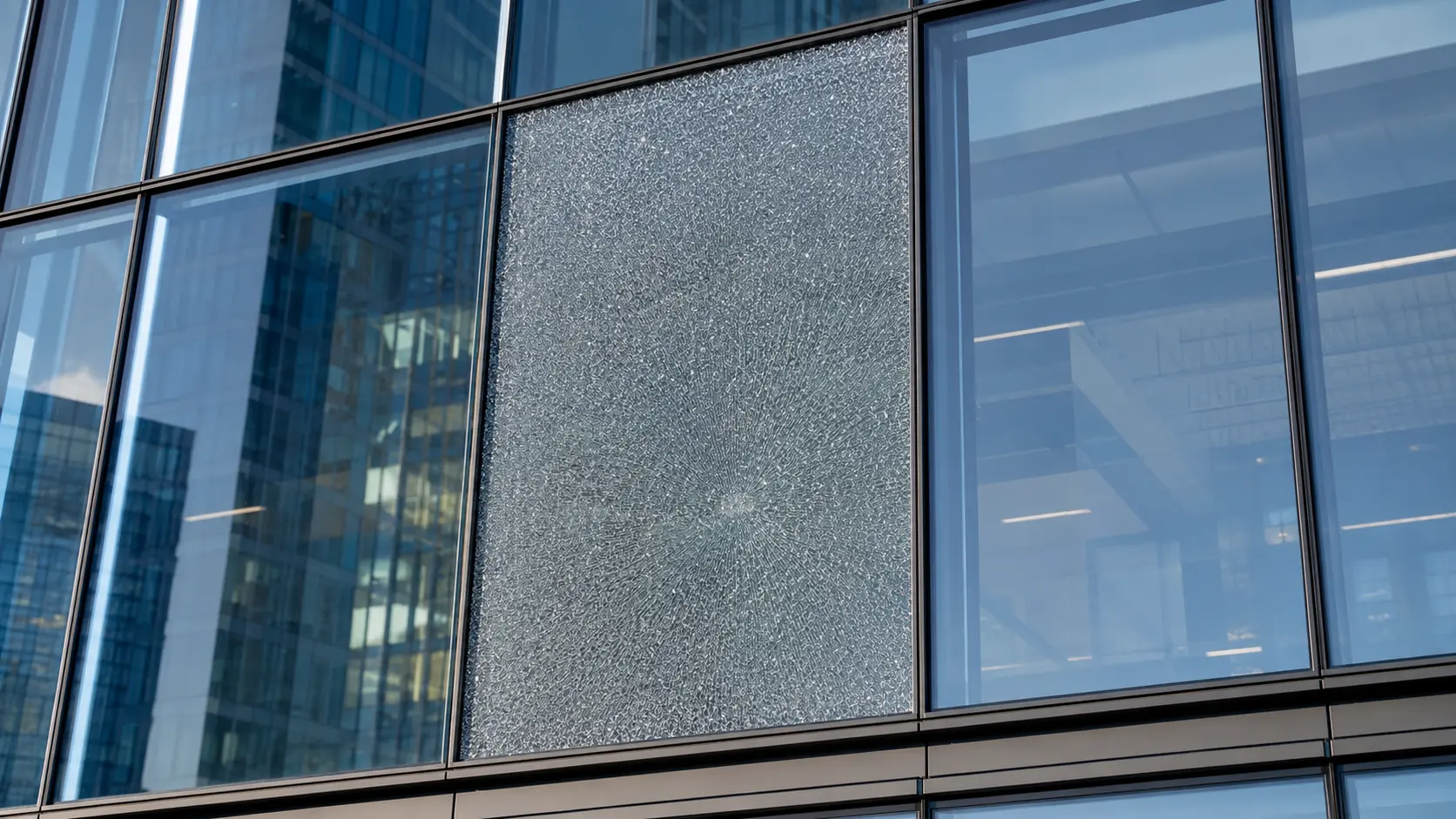
When choosing building materials for big projects, safety comes first in your buying choices. Sometimes a glass panel that looks fine suddenly breaks into many small pieces with no obvious reason. This is why it helps to understand why panels Break Spontaneously. Such events can delay work, hurt reputations, and create risks for people nearby. Regular float glass breaks into sharp pieces, but tempered glass turns into small rounded bits that look like a honeycomb. This way of breaking stops bad cuts, yet the chance of spontaneous breaks still worries engineers and developers alike.
Looking for a trusted partner to lower these exact risks? GLASVUE steps in as a highly reliable expert in the architectural deep processing industry. Operating a large, smart factory, they focus on high-end architectural glass that meets the strict needs of global B2B buyers. The company uses fully automated cutting, edging, and advanced tempering lines to cut down internal material defects right at the source. Whether your plans call for complex high-rise curtain walls or custom interior partitions, you can count on their experienced engineering team to supply secure, perfectly flat, and long-lasting glass systems that keep buildings safe and clients happy.
The Root Causes Why Glass Panels Break Spontaneously
To stop unexpected failures in building envelopes, you must first find the physical triggers behind the glass shattering. Several clear factors lead to this issue.
Nickel Sulfide Inclusions
Spontaneous breakage often happens without outside force because of nickel sulfide (NiS) crystals trapped inside the raw glass material. During the thermal tempering process, these tiny impurities change from a high-temperature α-NiS state to a stable, low-temperature β-NiS state at 379℃. This chemical shift causes a 2-4% volume expansion. The growth creates strong internal tension that tears the glass apart from within.
Microscopic Edge Damage
Flaws like chipped edges, exposed corners, or deep scratches from processing lower the structural strength and wind pressure resistance of the panel. The tempering process creates a strong compressive stress layer on the glass surface, balanced by even tensile stress inside. Any break or weakness in this delicate compressive layer leaves the whole pane open to sudden failure.
Uneven Thermal Stress
Environmental factors matter a lot after installation. When installed panels cast uneven shadows, the exposed areas soak up infrared rays from the sun and warm up fast. This local temperature rise creates uneven thermal stress across the pane and raises the chance of an explosion. On many sites, panels have shattered in the middle of the night. That shows thermal stress can act without warning long after sunset.
The Hidden Dangers In Inferior Manufacturing Processes
Beyond natural physical reactions, poor factory work greatly raises the risk that glass will Break Spontaneously. Picking fabricators with old equipment puts your project at risk.
Improper Heating And Cooling Cycles
In the factory, raw glass must be heated evenly to around 650℃, its softening point, then cooled quickly with cold air. If heating lasts too long, the glass shows visual defects like stress spots and pits. On the other hand, uneven or mistimed cooling leaves an unstable internal stress pattern and weakens the final product.
Inadequate Edge Polishing Techniques
Edge polishing before thermal tempering is essential for safety. Good edge work removes micro-cracks on the raw edges. This keeps the panel from breaking inside the high-temperature furnace and improves long-term reliability once the glass faces wind loads on your building.
Lack Of Strict Quality Control
A higher tempering stress level boosts mechanical strength but also raises the self-explosion rate. Standard 4mm-12mm tempered glass must shatter into at least 40 blunt particles within a 50x50mm area to pass safety tests. Makers without precise automated testing gear cannot spot tiny stones or impurities and may send these hidden flaws straight to your site.
Heat Soak Testing As A Reliable Solution
Since you cannot see nickel sulfide with the naked eye, the commercial glass industry uses a specific thermal treatment to remove defective panels before shipment.
The Heat Soak Chamber Process
Heat Soak Testing serves as a key step for high-altitude building projects. The finished tempered glass enters a special homogenization chamber and is heated to 290±10℃.
Accelerated Phase Change Of Nickel Sulfide
Holding this 290±10℃ setting for a set time forces any hidden NiS impurities to finish their crystal phase change. The process breaks defective panels inside the factory before they reach your site and acts as a controlled test.
Reduction Of Post-Installation Risks
Standard self-explosion rates sit between 0.5% and 0.8% for regular tempered batches when one NiS crystal appears per 5 to 8 tons of glass. Using the heat soak process drops the post-installation failure rate to below 0.1%. This protects your client’s investment and cuts warranty claims.
Table 1: Tempered Glass Self-Explosion Rate Comparison
| Glass Type | Typical Self-Explosion Rate | Primary Prevention Method | Best Application Scenarios |
| Standard Tempered Glass | 0.5% – 0.8% | Edge Polishing & Stress Control | Low-level partitions, small windows |
| Heat Soaked Tempered Glass | < 0.1% | 290±10℃ Thermal Chamber | High-rise facades, overhead glazing |
| Ultra-Clear Tempered Glass | < 0.1% (up to 0.03%) | Raw Material Iron Reduction | Premium storefronts, museums |
Essential Installation Practices For Maximum Safety
Even top-grade heat-soaked glass can fail if the installation crew overlooks basic structural tolerances on site. Sometimes panels Break Spontaneously simply because of poor framing work.
Proper Frame Clearance Allowances
Tight gaps often trigger breakage in commercial facades. The glass needs enough room to expand and contract with daily temperature changes. Without proper clearance, thermal expansion pushes the glass against the rigid metal frame and causes immediate shattering.
High-Quality Setting Blocks
Proper support materials must keep the glass edge away from aluminum or steel frames. This stops direct hard contact that could scratch edges or create pressure points. When combining tempered glass into laminated panels for extra safety, choosing the right PVB film thickness matters just as much for structural stability.
Table 2: PVB Thickness Selection For Flat Tempered Laminated Glass
| Glass Thickness (mm) | Short Side ≤ 800mm | 800mm < Short Side ≤ 1500mm | Short Side > 1500mm |
| ≤ 6mm | 0.76mm | 1.14mm | 1.52mm |
| 8 ~ 12mm | 1.14mm | 1.52mm | 1.52mm |
| ≥ 15mm | 1.52mm | 2.28mm | 2.28mm |
Protection During Transportation And Handling
Dropping or bumping the corners during transit creates invisible micro-cracks along the edge. Good packing methods and careful on-site handling help keep the structural integrity intact from the truck to the final frame.
Selecting A Qualified Supplier For Your Architectural Projects
Finding the right materials means checking the maker’s technical background and service promises to confirm they can deliver.
Advanced Production Capabilities
You need a factory with full, smart processing lines that can handle large commercial orders. Checking a supplier’s Production Capabilities shows their technical strength and lets you confirm they have the automated edging, washing, and convection tempering furnaces needed for high-quality output.
Compliance With International Standards
Your supplier must meet tough global safety rules. Certifications such as the Australian AS/NZS 2208:1996 and the American SGCC ANSI Z97.1-2015 show that the products will pass local building checks and give real protection against impact.
Transparent Warranty And Support
A reliable partner offers clear promises and fast after-sales help. Looking at an About Us page often shows how an established company handles defect replacement, quality staff, and long-term project support.
Upgrade Your Projects With GLASVUE Tailored Tempered Glass
Meeting all these safety needs means working with a fabricator that checks every detail during production.
Precision Engineering At GLASVUE
When you specify Tailored Tempered Glass, you receive panels heated exactly at 650℃ to build strong, even compressive stress. This makes them 3-5 times stronger than standard float glass. This thermal control gives the glass good thermal stability and lets it handle sudden temperature swings of up to 200℃ without cracking.
Strict Quality Commitments
Every batch goes through strict testing before it leaves the plant. By running rigorous Heat Soak Testing at 290±10℃, the factory removes the risk that your architectural glass will Break Spontaneously.
Expert Consultation For Your Needs
B2B buyers dealing with complex facade work or strict building rules can contact the team for custom glass solutions. Visit the Contact Us page to talk about large-scale curtain walls, custom sizes, PVB lamination choices, and specific engineering needs directly with the technical staff.
FAQs
Q: What causes the spontaneous breakage of tempered glass?
A: Spontaneous breakage mainly comes from the volume growth of nickel sulfide (NiS) crystals inside the glass, tiny edge damage from poor installation, or uneven thermal stress from sunlight.
Q: How does heat soak testing prevent glass explosions?
A: Heat soak testing heats the glass to 290±10℃. This forces any hidden nickel sulfide impurities to expand and break the bad glass inside the factory instead of letting it Break Spontaneously after installation on your building.
Q: Can you cut tailored tempered glass after the tempering process?
A: No, tempered glass cannot be cut, drilled, or edge-polished after thermal tempering. Doing so breaks the vital surface compressive stress layer and will make the glass Break Spontaneously and shatter at once.