
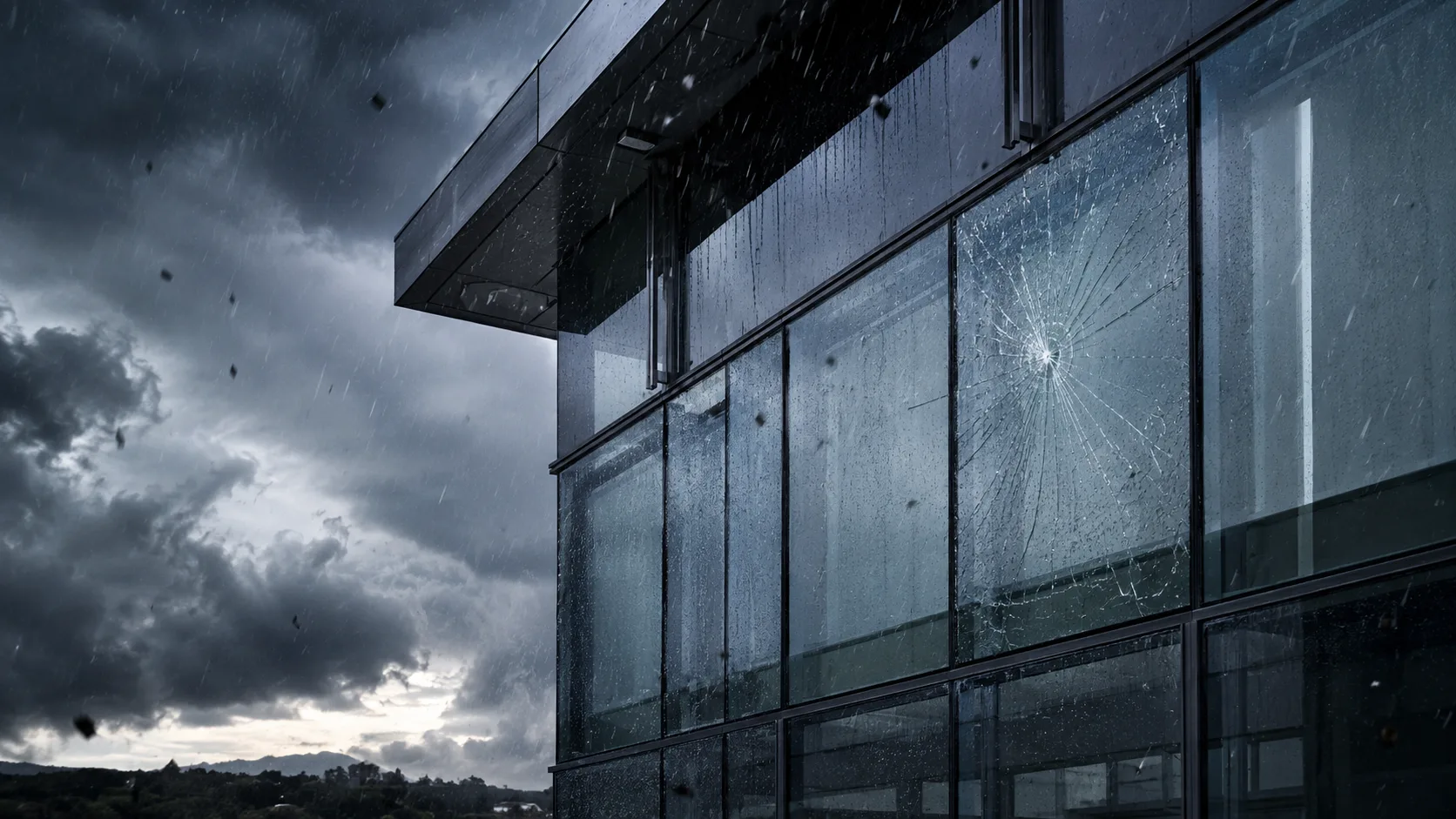
In a time when weather patterns grow more unpredictable, the outer layer of a building acts as the primary shield. For designers and builders, picking the correct window setup goes beyond looks. It concerns endurance and lasting strength. As 2026 approaches, the need for weather-resistant exteriors has surged. Often, selecting laminated glass becomes the key choice in your window plan. If the exterior fails in a strong wind, it harms more than the glass. It opens a gap in pressure. That can cause the whole structure to fail.
When seeking a production ally to manage tough modern designs, GLASVUE emerges as a top technical expert in building glass. They run from a large 100,000-square-meter site with a group of over 1,000 skilled workers. Their focus lies in creating custom management and glass options that fit the globe’s toughest safety rules. The About Us page shows a 20-year record of accuracy. Every task receives personal attention alongside factory-level care. From checking early sketches to supplying sheets up to 6,000mm x 3,300mm, they deliver the knowledge and power to guard your work against harsh conditions.
How Extreme Weather Tests Modern Facades
The outer skin of a tall tower or business center faces ongoing attacks from natural elements. Basic glass fails to resist them.
Wind Pressure and Debris Impact
In a tropical storm or fierce gale, exteriors face strong inward and outward wind forces. These push and pull on the glass many times each minute. Even worse, fast winds turn common items into deadly missiles. For wall systems and tall windows, choosing laminated glass offers protection that single heat-treated glass lacks. Tempered glass breaks into tiny bits. Yet, it creates a gap in the structure. A weather-proof setup must hold in place after breaking. This stops wind from rushing in and raising the roof from within.
Wind-Driven Rain and Water Ingress
Storms involve more than wind alone. The mix of force and wetness causes the worst damage inside. Rain pushed by 100 mph gusts seeks out every tiny crack in connections and barriers. View the exterior as a full unit. Quality frames, strong sealers, and the glass piece must cooperate. The side strength of the glass matters most. If the inner layer separates, it opens routes for water to enter the building’s heart. That leads to dampness and wood decay.
Heat, UV, and Thermal Movement
Once the storm ends, sunlight poses another risk. Sharp heat and strong UV light make glass and metal parts grow and shrink at uneven paces. Without planning for this heat shift, the glass may split or slip from its holders. Using choices like Single, Double, or Triple-Silver Low-E on the glass base helps control heat entry. It also shields the inside from UV harm while keeping the view clear.
Why Laminated Glass Belongs in Storm-Ready Architecture
The basic science behind Professional laminated glass positions it as the best pick for sites with weather dangers.
Fragment Retention and Occupant Safety
This material’s main strength is its ability to break yet remain attached. On a hit, the glass pieces stick to the middle layer. This keeps bits from scattering indoors or dropping outside. During bad weather, this hold seals the outer layer. It guards people inside and on the ground from extra harm due to loose parts.
Interlayer Strength and Post-Breakage Integrity
The inner layer type sets the final toughness of the exterior. Basic PVB (Polyvinyl Butyral) works well for protection and sound control. For demanding tasks in windy areas, SGP (SentryGlas Plus) layers suit better. SGP proves five times tougher and 100 times firmer than regular PVB. Even with both glass sides cracked, the SGP holds firm. It stands against more wind until fixes occur.
Daylight, Views, and Design Freedom
Preparing for storms does not require a solid block. Current glass methods let you pick very clear types, shaded ones, or printed surfaces. All keep safety intact. You can create wide open areas for fine sights and natural light. These meet the strictest hit tests.
How GLASVUE Laminated Glass Supports Facade Performance
Reaching a weather-resistant level needs exact mixes of glass sides, inner layers, and special covers.
SGP Interlayer Configuration
For shore tasks and tall wall systems, SGP setups fit well. Its resistance to tears and clear view make it right for harsh spots and blast needs. This arrangement gives the firmness to endure local hits and ongoing wind pushes in a storm.
PVB Acoustic and UV Performance
In homes, lodgings, and learning centers where comfort counts daily alongside weather guard, PVB layers provide two gains. Beyond hit resistance, PVB cuts deep sounds well and blocks 99% of bad UV light. This creates a calm, safe inner space no matter outer racket or sun strength.
Low-E and Reflective Coating Options
In warm or sunny places, saving energy forms a must for exterior work. GLASVUE’s Production Capabilities let you pair safe glass with sun control and Low-E covers. Thus, you reach tight heat rules while keeping the structure secure in wild weather.
Material Choices for Different Climate Risks
Each task meets its own location-based issues. Fitting the glass to the threat ensures smart spending on design.
Coastal Storm and Salt-Air Projects
Structures near the sea, within five miles, deal with wind, sand blasts, and salt damage. SGP-strengthened units with rust-proof frames and solid sealers work best. The glass side’s hold against salt spray prevents clouding or lifting of the inner layer over time.
High-Rise Wind Load Projects
Taller buildings face wind forces that rise quickly with height. For them, layered units like double or triple laminated glass handle the strain. GLASVUE aids in custom builds from simple pairs to detailed four-layer forms. This gives engineers room to hit safety marks.
Glazing Assembly Performance Comparison
| Assembly Type | Impact Resistance | Post-Breakage Strength | UV Block | Ideal Use |
| Standard Tempered | Low | Zero | < 50% | Interior partitions |
| PVB Laminated | High | Low-Medium | 99% | Residential windows |
| SGP Laminated | Extreme | Very High | 99% | Coastal High-rises |
| Triple Lami IGU | Extreme | Extreme | 99%+ | Critical Infrastructure |
Specification Checklist for Storm-Ready Glass Facades
Prior to settling your window list, check these key details.
Local Code and Performance Documentation
First, verify the wind forces and hit test areas set by area officials. GLASVUE sheets carry full global approvals. These include ISO9001:2015, ANSI Z97.1 (USA), AS/NZS 2008 (Australia/NZ), and EN14449 (Europe). Such papers speed up project clearance.
Glass Thickness and Panel Size Review
Calculate the laminated glass depth from the window shape and top wind speed in the area. With handling for sheets up to 6,000mm long, designs can stretch modern limits yet keep a solid safety edge.
Coating and Interlayer Selection
Pick your mix by main aim:
Safety & Storm: SGP Interlayer.
Acoustics: Specialized acoustic PVB.
Energy: Triple-Silver Low-E coatings.
Identity: Digital printing or colored interlayers.
Build Storm-Ready Facades with GLASVUE
The time for trading looks for protection has passed. Today’s building methods enable open, bright areas as firm as a safe. Winning comes from adding top glass early in plans.
If planning an exterior for a spot with wild weather risks, talk to our design group. We partner with planners, wall makers, and producers for tailored, approved glass fixes. Get tech info, no-cost samples, or a fitted quote via our Contact Us page. Share your site, sizes, and goals. Our team will guide you to the right laminated glass unit for enduring the next major storm.
FAQs
Q: Why is laminated glass better than tempered glass for hurricane zones?
A: Tempered glass holds strength but breaks into many small bits on a strike. It leaves the building open to gusts and wet right away. Laminated glass relies on a sturdy inner sheet. That keeps pieces in position post-break. It holds a tight seal against weather. Plus, it avoids inner force rise that might lift the roof or side walls.
Q: How do I know if I need a PVB or an SGP interlayer for my project?
A: Regular PVB suits well for guard, UV shield, and sound cut in most home and inner business works. Still, in fast-storm areas, shore spots with salt, or firm glass like rails or floors, SGP fits due to its five times greater power and better side hold.
Q: Can I combine energy-efficient coatings with storm-rated glass?
A: Yes. Current production lets us add Single, Double, or Triple-Silver Low-E covers onto glass bases prior to joining. This yields a final item that meets energy aims (U-Value and SHGC). At the same time, it offers top guard from hits and wind strain.