
If you need a glass partner that speaks both facade design and factory reality, GLASVUE is worth your attention. With nearly three decades in architectural glass, strong deep-processing experience, an 85% automated production system, global certifications, and support for architects, fabricators, and project teams, it brings design freedom and delivery discipline into the same workflow. You can review its production capabilities, read the company story, reach the team through its contact page, or go straight to its Perovskite PV Glass solution for facade and window projects.
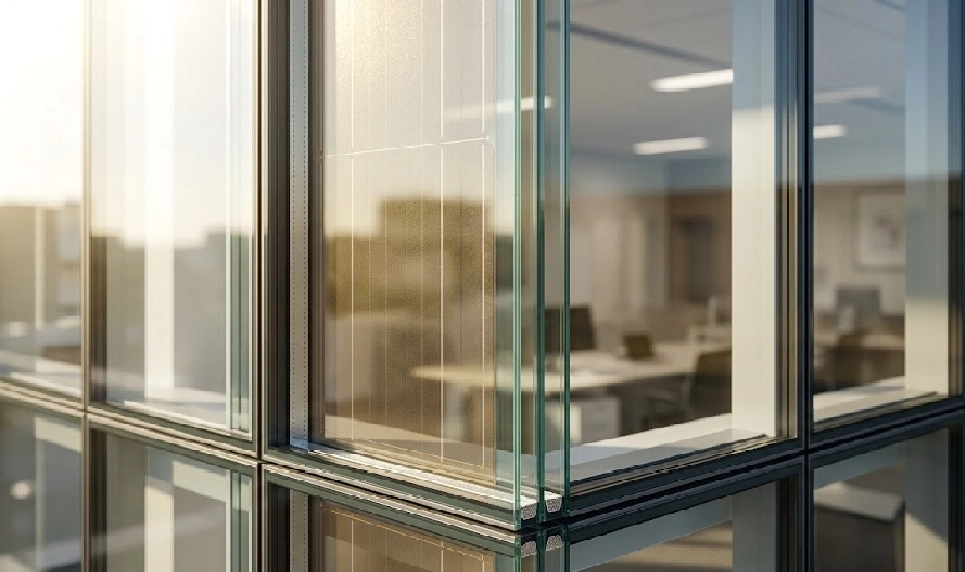
Why Hidden ROI Matters More Than Peak Power
When you compare glass for a building, it is easy to focus on one number. Some teams look only at visible light. Others look only at thermal data. When solar glass enters the discussion, many people look only at power output. That is too narrow.
The real return comes from overlap. A better glazing system can do several jobs at once. It can help lower noise, reduce heat transfer, protect the indoor environment, improve safety, and generate electricity from the same surface. That is why hidden ROI matters more than peak power.
Whole-Facade Value
You do not buy facade glass only to fill an opening. You buy it to shape comfort, appearance, compliance, and long-term building performance. Once a glazing system starts working as part of your energy plan, the value picture changes. The facade stops being a passive skin and starts becoming an active asset.
Material Replacement Logic
This matters because the best return often comes from replacement, not addition. If one glass unit can replace standard laminated or insulated glazing while also adding clean energy generation, you are not paying for a separate visual layer or a second energy system. You are upgrading a building element you already need.
Long-Term Cost Reduction
That changes the financial logic. Instead of asking whether solar glass beats rooftop modules on one number, you ask a better question: can this glass lower operating costs, improve user comfort, and support project value at the same time? In many cases, that is the more useful measure.
How Perovskite PV Glass Improves Building Performance
This is where the product category becomes more interesting than a simple green-tech headline. Perovskite PV Glass is not only about electricity. It also fits the core performance demands you already have for a facade, window wall, skylight, or high-end residential glazing package.
Acoustic Comfort
Noise affects building value more than many teams admit. In offices, it affects focus. In homes, it affects sleep and daily comfort. In hotels, healthcare projects, and public buildings, it shapes user experience from day one. Published project materials for this glazing system show acoustic ratings in the 35 dB to 42 dB range, depending on the build-up. That gives you a product story that speaks to both design and daily life.
Thermal Insulation
Insulation is the second part of the hidden return. The uploaded technical material shows laminated transparent glass configurations with K-values around 2.8 to 4.0 W/m²K, compared with ordinary clear single glass around 5.0 to 5.5 W/m²K. That gap matters. Lower heat transfer means less strain on HVAC, better indoor stability, and a stronger case for long-term energy savings.
Transparent Energy Generation
This is where the value stack becomes more powerful. Instead of choosing between a clean facade and on-site energy generation, you can use a glazing strategy that does both. The uploaded materials describe a laminated structure that integrates a perovskite film inside tempered glass, so the glazing can keep a transparent architectural language while adding power generation. That is why Perovskite PV Glass deserves attention from designers, developers, and facade engineers alike.
Why the Economics Look Better Than You Expect
If you judge advanced glazing only by upfront cost, you miss the point. Better building products often pay back through a mix of savings, comfort, asset appeal, and market differentiation. This is one of those cases.
Lower Operating Expense
When a glazing unit helps reduce heat transfer and also generates electricity, it supports two sides of the energy equation. You spend less on conditioning the interior, and you produce part of your own power from the envelope. The uploaded materials also point to added insulation and sound reduction benefits on top of energy generation. That means the glass supports cost reduction in more than one way.
Stronger Occupant Appeal
Occupants do not buy a K-value. They buy a better room. They notice quieter interiors, steadier indoor temperatures, softer glare, and a cleaner facade. For residential and mixed-use projects, that can improve sell-through, leasing appeal, and owner satisfaction. For premium developments, those benefits are not secondary. They are part of the product you bring to market.
Better Carbon Narrative
You also gain a stronger ESG and carbon story without forcing the architecture into a heavy technical look. That matters in investor presentations, public-sector bids, and high-end property marketing. In practical terms, Perovskite PV Glass helps you show progress in clean energy adoption while keeping the facade elegant and commercially attractive.
Where This Glazing System Delivers the Best Fit
Not every project needs the same glass strategy. But some project types are especially well matched to this kind of product. The common factor is simple: large glazed areas with high expectations for comfort, aesthetics, and performance.
Curtain Wall Integration
Curtain walls are an obvious fit because the surface area is large and the facade already carries major energy and comfort responsibilities. In this setting, the glazing can support acoustic control, thermal performance, and on-site generation from one coordinated package. That is a stronger story than adding a visible solar device after the facade design is done.
Residential Window Upgrades
Homes and high-rise residences also benefit. The uploaded materials include residential green-power scenarios that show how window and balcony areas can contribute usable daily generation. When you combine that with quieter interiors and better insulation, the value becomes easy for buyers to feel, not just calculate.
Skylight and Public Building Uses
Public buildings, stations, atriums, and large skylight zones often need daylight, safety, and low operating costs at the same time. This product direction fits that need well. Laminated safety, cleaner energy output, and a more refined visual result make it easier to justify advanced glazing in spaces where performance and public image both matter.
What Makes Specification Easier for You
A strong concept is not enough. If the supplier cannot manufacture consistently, support detailing, and work through real project constraints, the product becomes harder to specify. That is why factory depth and coordination matter.
Manufacturing Discipline
The company materials describe a large-scale production base, deep-processing capability, and about 85% automation. That matters because glazing performance depends on repeatability, not just product claims. If you are working on custom facade packages, process control reduces risk.
Certification Confidence
The same materials also describe multiple international certifications and experience with demanding architectural applications. That helps when your team needs confidence on compliance, export readiness, and high-standard project delivery. In real specification work, trust is built through systems, not slogans.
Technical Coordination
Another advantage is the ability to align product design with project design. When a supplier can support drawing review, custom configurations, and combined glazing strategies such as laminated, insulated, and Low-E structures, your specification path gets cleaner. For project teams, Perovskite PV Glass becomes easier to adopt when it arrives with real technical support behind it.
Start Your Next BIPV Project With a Smarter Brief
The best next step is not to treat this as a trend piece. Treat it as a building-envelope decision. If your project needs quieter interiors, better insulation, cleaner energy, and a facade that still looks premium, this product category deserves a serious place in your specification process.
Sample Review
Start with samples. You need to judge light quality, finish, edge detail, and overall appearance with your own eyes. That is the fastest way to move from abstract interest to practical evaluation.
Design Consultation
Then move into a real project conversation. Share your performance targets, facade type, transparency goals, and use case. The right glazing solution is rarely a one-size-fits-all item. It should reflect the building you are actually designing.
Direct Project Contact
Finally, bring drawings into the process early. That helps align structure, glass build-up, energy goals, and install logic before late-stage revisions cost time. When you evaluate Perovskite PV Glass as a full facade solution rather than a niche solar add-on, the hidden ROI becomes much easier to see.
FAQ
Q: Is Perovskite PV Glass only suitable for landmark projects?
A: No. It fits landmark architecture, but it also makes sense for residential, office, mixed-use, and public projects where glazing already plays a major role in comfort, appearance, and energy use.
Q: Can Perovskite PV Glass really improve acoustics and insulation at the same time?
A: Yes. That is one of its strongest selling points. The uploaded materials show laminated structures with meaningful acoustic performance and better thermal control than standard single clear glass, while also adding clean energy generation.
Q: How should you evaluate Perovskite PV Glass for your next project?
A: Start with the basics: facade area, target transparency, indoor comfort goals, expected energy contribution, acoustic needs, and detailing limits. Then review samples, compare build-ups, and move to drawing-based coordination early.