
Reflective glass, also known as mirror glass or coated glass, is a particular kind of glazing material designed to send back a good amount of visible light and solar radiation, which in turn boosts how well buildings perform and how they appear. This overview brings together important points from various reliable sources, and it centers on the definition, properties, benefits, applications, performance metrics, types, and ways reflectivity works.
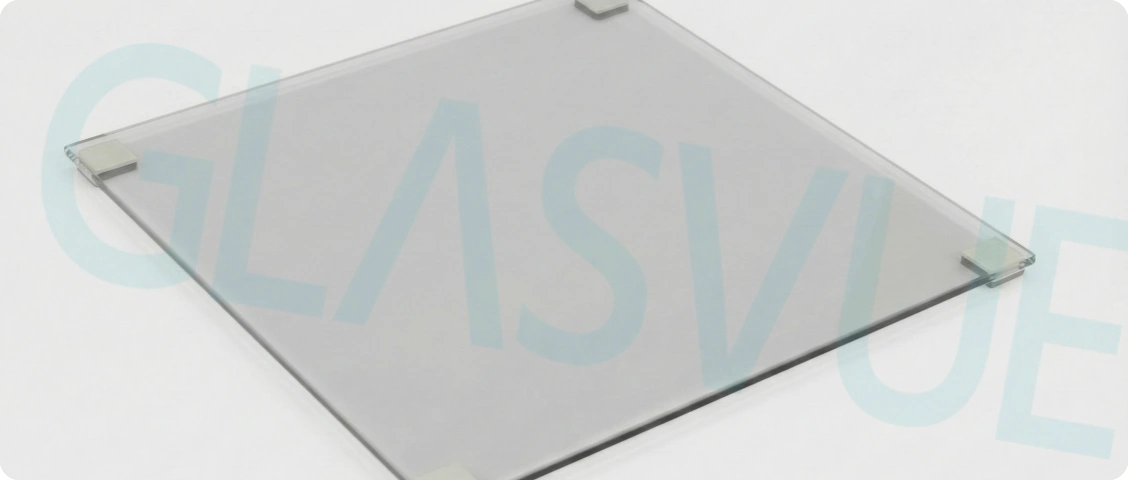
Definition and Working Principle
Heat-reflective glass, commonly known as coated glass, is made by depositing metal films, metal oxide films or nitride films on the surface of glass to achieve the desired color and shading coefficient (without low-emissivity characteristics).This added layer gives the glass a shiny look like a mirror, which allows it to bounce back sunlight and visible light even as it lets a managed amount of light pass through to the inside. People classify it based on how much it reflects from the outside: the highly reflective kind sends back 25% or more for a clear mirror appearance, and the mid-reflective type sends back 18-24% for a less obvious result. The glass works with the whole solar spectrum, which covers ultraviolet (UV), visible, and infrared radiation, through the Reflection + Absorption + Transmission (RAT) basic idea, and in this case, reflectivity refers to the part of light that gets reflected away from the surface.
Key Properties and Functional Characteristics
Reflective glass shows a number of basic properties that make it different from regular float glass:
- Reflectivity and Appearance: The coating produces a shifting, one-way mirror result, looking solid from the outside (particularly when the light outside is stronger) while allowing people inside to see out without trouble. The colors it reflects go from plain ones to shades of blue or green, and this depends on how the coating chooses to reflect certain lengths of light waves.
- Light and Heat Management: It lessens the brightness of light and the entry of UV rays, cuts down on the heat gained from the sun, and permits different levels of visible light to pass through (usually between 11-56%). The thickness of the glass affects how much light goes through, because thicker pieces stop more light from passing.
- Privacy and Durability: It supplies privacy during the day without needing any extra processes; it can also be made stronger through tempering, laminating, or heat-strengthening to resist impacts and last a long time, and it requires very little care to keep it in good shape.
- Thermal and Acoustic Insulation: It does a good job of reflecting heat and lowering the movement of heat, all while keeping the temperatures inside steady. Heat-reflective glass is usually set up as insulated glass units (IGUs) that have a space filled with air or gas between the two pieces of glass, and these units offer some level of blocking sound besides their main job of handling heat.
These properties adjust to the conditions around them, like the strength of daylight, since brighter conditions outside make the mirror effect more noticeable, and when the lighting is even on both sides, people can see in both directions.
Core Benefits and Value Proposition
Choosing to use reflective glass provides many different advantages, especially when it comes to designing buildings in our current time:
- Energy Efficiency: Since it can reflect as much as 36% of visible light and a large part of solar heat (for instance, the Solar Heat Gain Coefficient [SHGC] can be as low as 0.15), it brings down the need for cooling, reduces how much energy is used, and cuts back on emissions of carbon. All of this helps heating, ventilation, and air conditioning (HVAC) systems to work longer without breaking down, and it lessens the dependence on fake lights or window coverings.
- Privacy and Comfort: It makes sure that views go only one way, which helps with safety and peace in areas that need to stay private, and at the same time, it reduces the sharpness of light and the harm from UV rays to keep furniture protected and to ease strain on the eyes.
- Aesthetic Enhancement: It gives buildings a smooth, up-to-date front side that changes and connects with what is around it, such as reflecting the sky, the land, or the weather, and this helps the building to fit better with its surroundings and to have the chance to become a notable spot in architecture.
- Economic Value: It decreases the costs of running things by needing less energy for heating or cooling, although in times with little light, it might need extra lights to brighten things up.
There are some possible downsides, such as allowing less natural light to come through when compared to glass without coatings, which might mean having to use man-made lights, and it does not hold onto heat as well in places with cold weather.
Applications in Modern Architecture and Building Design
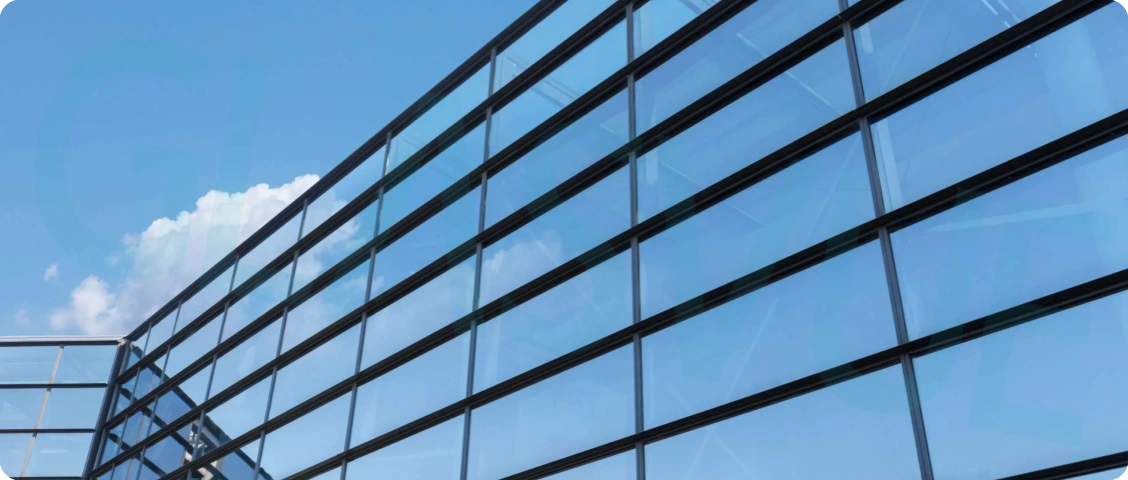
Reflective glass can be used in many different ways in homes, business places, and public buildings to make the best use of how it works and how it looks:
- Facades and Curtain Walls: It is used in very tall buildings like skyscrapers and in full wall systems to make smooth changes from areas where you can see through to solid parts, which creates matching, mirror-like outside surfaces that go well with city views.
- Windows and Glazing Systems: It is built into types like casement, double-hung, awning, or large and curved panels, especially for sides that face the south, as well as in roof lights and sunroofs, all to fight against getting too hot inside.
- Specialized Uses: It works well for windows in cars, doors at entrances, and fronts of stores in areas with hot weather (such as regions around Austin or Spokane), and it improves how comfortable it feels inside during very tough weather conditions.
- Hybrid Designs: It is mixed with glass that is colored, has patterns, or is printed with ceramic for effects that look artistic, or it is put into business buildings to make the work spaces feel more professional and nice.
The way it can adjust to different needs makes it perfect for buildings that put energy savings, privacy, and strong visual styles first, like the main offices of companies or fancy living places.
Performance Metrics and Energy-Saving Capabilities
How well reflective glass performs can be measured with important numbers that focus on controlling the sun and using energy well:
- Solar Heat Gain Coefficient (SHGC): This goes from 0.15 to 0.29, which shows that only a small amount of heat comes inside to keep the inside cooler.
- Visible Light Transmittance (VLT): It is 11-56%, which helps balance how much daylight comes in while also reducing too much brightness.
- U-Value: It can be as low as 0.288, which means it does a better job at keeping heat in or out.
- Energy Savings: It lowers the work that air conditioning has to do by stopping infrared radiation from getting through, and this helps buildings to get LEED certification and to follow rules for buildings that are good for the environment.
These qualities are affected by things like the type of coating, the base material, and how the glazing is put together, and when reflectivity is higher, it does a better job at keeping solar energy out.
Types and Product Variations
Reflective glass includes a few different kinds that are made to fit certain requirements:
- High-Reflectivity (≥25%): This is for the most privacy and control over the sun, for example, with 26-36% of light reflected.
- Mid-Reflectivity (18-24%): This provides a good mix of daylight and a more gentle look, for example, with 18% reflected.
- Substrate Options: It can be clear, tinted (such as CrystalGray), or with patterns as the starting base.
- Color Variations: The colors can be neutral, with hints of blue or green, or shades that look like metal (Grey, blue, silver grey).
GlASVUE Advanced Heat-Reflective Glass Series
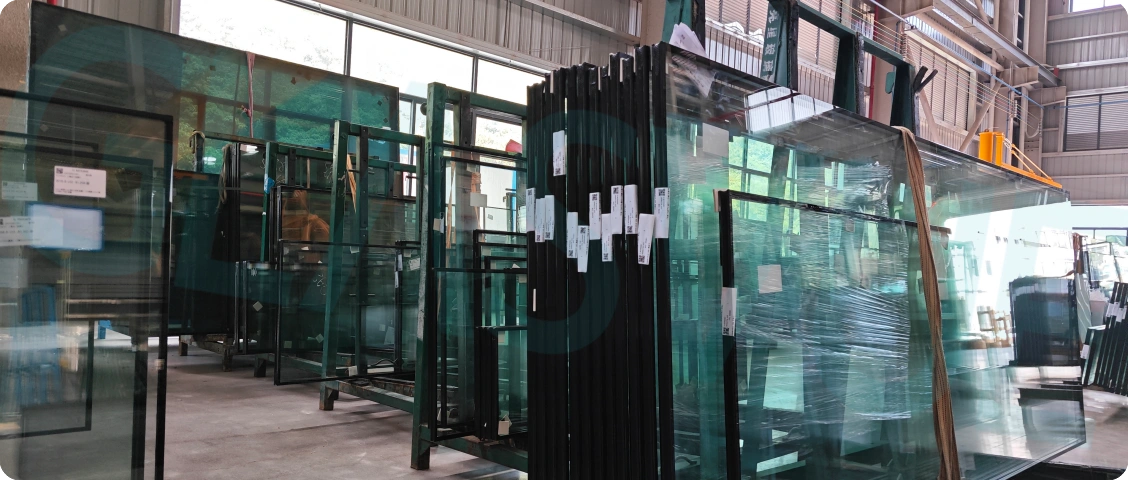
GlASVUE, a top company that makes special glazing solutions, provides high-quality heat-reflective glass that is made to improve control over the sun and to offer different choices for looks in building projects.
This line of products uses float glass that has been treated with newer kinds of metallic or mixed coatings, including things like chromium, nickel, titanium, or metal oxides such as titanium dioxide and zinc oxide, which are placed in thin layers of film to get excellent reflection of solar radiation while still keeping the glass strong and whole.
Some of the main features are very good shading numbers that make the sunlight inside softer and keep temperatures cooler when the sun is at its strongest, along with a one-way view effect that improves privacy by stopping people outside from seeing into the rooms when it is bright outside, and there are color options that can be changed with strong colors to make it look nice for decoration. Unlike the kinds with low-emissivity, the heat-reflective glass from GlASVUE is really good at saving energy during the day in summer by sending back the heat that comes as rays, but it is set up more for cooling things down rather than keeping warmth all year long.
This product lets you make many changes to it, such as getting exact sizes, adding holes, making cutouts, shaping it into bent and tempered forms, making it tougher, adding layers, and putting together insulating parts, and all of this is helped by a factory that runs 80% on machines and is approved under standards like ISO 9001:2015, ANSI Z97.1-2015, AS/NZS 2008:1996, and EN 14449:2015+AC:2005.
For factories around the world that make doors, windows, and curtain walls, as well as owners of projects or designers of buildings who want solutions that fit just right, GlASVUE offers free samples and talks with knowledgeable people to make sure the details match what you picture for your project. You can get in touch with GlASVUE right now by emailing or by going to www.glasvue.com to ask for a quote that is made just for you, and be sure to include information like the thickness, what colors you like, the sizes, and how many pieces you need. Take your next project to a higher level with reflective glass that is carefully made to bring together saving energy, keeping privacy, and having excellent design.