
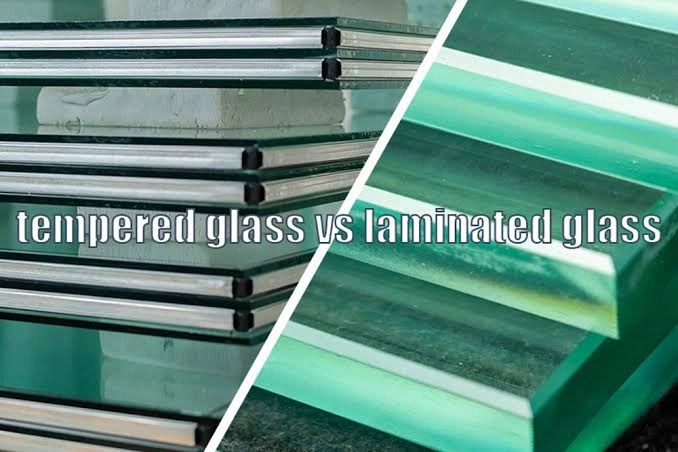
When you plan a bathroom renovation or a complex commercial facade, local building codes push safety glazing to the absolute top of your material list. You will quickly face two rigid options on the spec sheet. So, What Is Laminated Safety Glass, and how does it actually compare to a standard tempered pane when struck by flying construction debris? To make the right call for your blueprints, you need to look at the messy reality of how these panels are baked and how they handle daily physical abuse.
Sourcing the right architectural materials usually dictates whether your project finishes on time or falls weeks behind schedule. This is exactly where GLASVUE steps into the picture. Operating as a deeply entrenched glass processor with over two decades of grinding out solutions for global builders, they run an 85 percent automated Industry 4.0 production base. Housing top tier European equipment from Glaston and Bystronic, the factory delivers exceptionally flat, defect free panels.
From outfitting towering city skyscrapers to complex curved museum facades, they know the exact tight tolerances needed to pass strict building codes like SGCC and AS/NZS 2208. If your job requires tricky CNC cutting, jumbo panels, or specialized acoustic setups, partnering with them gives you a reliable backbone to bring those ambitious architectural drawings into the real world without unexpected supply chain headaches.
Fundamental Differences In Manufacturing Processes
The sharp contrast in how these materials behave on a noisy job site starts right on the factory floor. Their physical traits take shape through entirely different thermal and chemical treatments.
Thermal Tempering Of Standard Glass
Standard float glass gets shoved into a massive heating chamber hitting roughly 650°C before getting blasted with cold air in a rapid quenching section. This sudden temperature drop forces the outer skin of the glass to shrink and harden almost instantly, while the hot inside cools down much slower. This awkward thermal dance creates intense surface compression fighting against trapped internal tension.
Polymeric Interlayers In Laminated Glass
Think of this as a tightly pressed transparent sandwich. Factory workers take two or more pieces of regular annealed or tempered glass and permanently glue them together using a thick rubbery plastic layer. Usually, this core is Polyvinyl Butyral (PVB). The whole heavy assembly then bakes inside a massive autoclave machine under extreme heat and crushing pressure reaching about 14 atmospheres. The main objective shifts away from just making a single sheet harder.
Post Production Cutting Limitations
You absolutely have to get every single measurement right before the tempering oven turns on. Once that rapid quenching process finishes, trying to trim or drill a tiny hole will cause the entire panel to explode into thousands of useless pebbles right in your hands. Laminated units that only use standard annealed lites can technically be trimmed down after they are glued up, but doing so requires a ridiculously steady hand to melt through that stubborn inner plastic film without ruining the clean edges.
Distinct Breakage Patterns And Safety Mechanisms
You truly see the physical difference between these materials only when things go terribly wrong and they shatter. The specific way they break dictates exactly where strict city building codes will actually let you install them.
Granular Shattering Of Tempered Panels
If a sudden impact finally pushes past its stress limit, a tempered window just gives up completely. All that trapped internal energy releases in a split second, causing the whole pane to instantly crumble into countless tiny pebble like chunks with blunt angles. This specific reaction completely removes the terrifying risk of getting sliced open by giant jagged shards.
Spider Web Fractures Of Laminated Units
When nervous clients ask What Is Laminated Safety Glass capable of handling during a break in, looking at the post breakage fracture pattern gives you the most honest answer. If a heavy flying object smashes into a composite panel, the outer glass layers will definitely crack. But those broken jagged fragments stay stubbornly glued to the tough PVB plastic core. You will usually notice a very distinct spider web fracture pattern radiating outward from wherever the rock hit it.
Post Breakage Structural Integrity
Because the broken glass chunks stay glued to that inner plastic film, the damaged facade maintains a solid physical wall against howling winds and heavy rainstorms. The aluminum frame just holds the cracked ugly unit securely in place until a local maintenance crew eventually finds the time to show up for a replacement job.
Comparative Performance In Environmental Protection
Beyond just watching what happens during a sudden break, you also need to figure out how much raw daily pressure and wild temperature swinging the window can actually survive without failing.
| Technical Metric | Tempered Glass | Laminated Glass (Standard PVB) |
| Impact Strength vs Annealed | 3 to 5 times stronger | Relies heavily on PVB tear resistance |
| Thermal Stress Tolerance | Up to 200°C severe shifts | Limited by the inner plastic core |
| UV Radiation Blockage | Roughly 25 percent | Up to 99 percent |
| Post Breakage Barrier | None (Fragments fall out) | Retained securely inside the frame |
| Sound Transmission Class | ~31 for a 6mm monolithic panel | ~35 for a 6.38mm composite unit |
Superior Blunt Impact Resistance
For surviving pure blunt force trauma, a single tempered panel easily takes the lead. That compressive surface stress makes it roughly three to five times stronger than a regular annealed piece of the exact same thickness. A stray golf ball or a heavy bird strike will literally bounce right off a tempered window, whereas it would easily smash right through a standard living room pane.
High Acoustic Insulation Capabilities
Heavy constant traffic noise easily ruins the vibe of an expensive urban apartment. The polymer interlayer provides a remarkably strong damping effect on passing sound waves. It is especially good at killing that annoying low to mid frequency range, like rumbling truck engines and loud sidewalk arguments. A standard composite setup naturally offers noticeably better sound blocking than a solid single pane of the exact same thickness.
Comprehensive UV Ray Blockage
Harsh afternoon sunlight slowly but surely fades dark hardwood floors, expensive gallery artwork, and colorful retail store displays. Standard clear window glass blocks surprisingly little ultraviolet light. But the PVB core sitting quietly inside a laminate actually filters out up to 99 percent of that harmful UV radiation, while still letting plenty of bright natural visible light flood into the space.
Architectural Uses Of Tempered Glass
Contractors reading the blueprints rely on specific materials based on the daily risks and functional habits of the installation area.
High Thermal Stress Environments
Because it effortlessly handles severe temperature jumps up to 200°C without cracking from thermal shock, builders rely heavily on it for specific hot zones. You will constantly see it specified for kitchen splashbacks right near hot gas stoves or heavily sunlit commercial facades that absorb massive amounts of solar heat during the afternoon.
Frameless Interior Glass Partitions
It holds up incredibly well against direct physical hits and edge bumps. This makes it the go to material for frameless bathroom shower doors, sleek interior office walls, and heavy glass dining tables. It offers a very clean, highly structural look combined with excellent daily durability for a busy household.
Standard Ground Level Doors
For patio sliding doors and basic residential entrance frames where falling glass from above is not a realistic threat, it provides a highly cost effective safety barrier. The reliable granular breakage pattern easily satisfies basic ground floor building regulations without adding unnecessary weight to the sliding tracks.
High Risk Deployments: What Is Laminated Safety Glass
Any spot where a piece of falling glass could badly injure a pedestrian walking below strictly demands a composite material.
Overhead Skylights And Glass Canopies
This mandatory rule covers glass floorings, overhead mall skylights, sloped roof glazing, and high rise balcony railings. If a heavy tree branch hits a glass roof during a winter storm, you really do not want loose shards dropping thirty feet into a crowded hotel lobby. The sticky core keeps everything securely hovering above your head.
High Security Commercial Storefronts
It also remains the absolute baseline requirement for luxury jewelry storefronts and ground floor retail windows that constantly face the threat of smash and grab burglaries. A burglar violently swinging a heavy crowbar at 3 AM might shatter the first layer of glass, but the rubbery plastic core absorbs those desperate repeated blows. This effectively stops them from quickly creating a hole large enough to crawl through. This is exactly where specifying laminated glass completely upgrades your building’s physical security profile.
Hurricane And Severe Storm Resistance
In coastal zones prone to extreme weather, the break but stay put mechanism prevents howling winds from breaching the building envelope. If a window blows out completely during a hurricane, the sudden shift in air pressure can literally lift the roof off a commercial structure. The composite barrier prevents this catastrophic failure.
Partner With GLASVUE For Your Next Project
Where you source your raw materials heavily dictates the long term survival of your architectural vision. Locking down a high quality, communicative supply chain becomes your very next critical step.
Advanced Automated Production Capabilities
Manufacturing exceptionally thick, ridiculously heavy, and complex panels demands top tier factory machinery to avoid annoying visual waviness or ugly edge delamination. You can review the production capabilities to see exactly how advanced convection furnaces and dust free clean rooms manage these stringent architectural demands flawlessly.
Premium Laminated Glass Solutions
Holding decades of messy real world manufacturing expertise and a strict commitment to green building standards, the factory takes genuine pride in delivering materials that easily pass the toughest global certifications. Go ahead and read about us to see how their heavy engineering standards perfectly align with your own fussy design philosophies.
Exclusive Professional Project Consultation
Stop relying on risky guesswork when writing your glass schedules. Whether you are currently dealing with complex bending geometries for a museum or specialized acoustic barriers for an airport hotel, the engineering team stands ready to dig into the fine details. Reach out and contact us today for accurate technical advice, honest site risk assessments, and highly detailed project estimates that actually make financial sense.
FAQs
Q: What Is Laminated Safety Glass mainly required for in coastal building codes?
A: It is predominantly thrown into car windshields, overhead skylights, heavy hurricane impact windows, and high security retail storefronts. Builders constantly lean on it for any application where maintaining a solid physical wall after an accidental breakage is absolutely critical to keeping the harsh weather out.
Q: Can you easily cut tempered glass after it has been fully manufactured?
A: Definitely not. The rapid thermal quenching process puts the panel under immense trapped internal tension. Any lazy attempt to cut, drill a hole, or even slightly scratch the surface will cause the entire piece to explode instantly into tiny granular chunks right in your hands.
Q: Does a much thicker monolithic glass panel always mean way better soundproofing for a noisy room?
A: Not necessarily. While simply adding raw heavy mass does help block out some noise, the viscoelastic damping plastic core hidden inside a composite unit actually disrupts sound wave transmission much more effectively than just installing a thicker solid monolithic pane.